A sump pump is one of the best defenses a Winnipeg basement has against water. But where that water goes after it leaves your pump matters just as much as the pump itself. Set it up the wrong way and you can break city rules, flood a neighbor, or burn out the pump in January. Here is what every homeowner should know.
What a Sump System Does
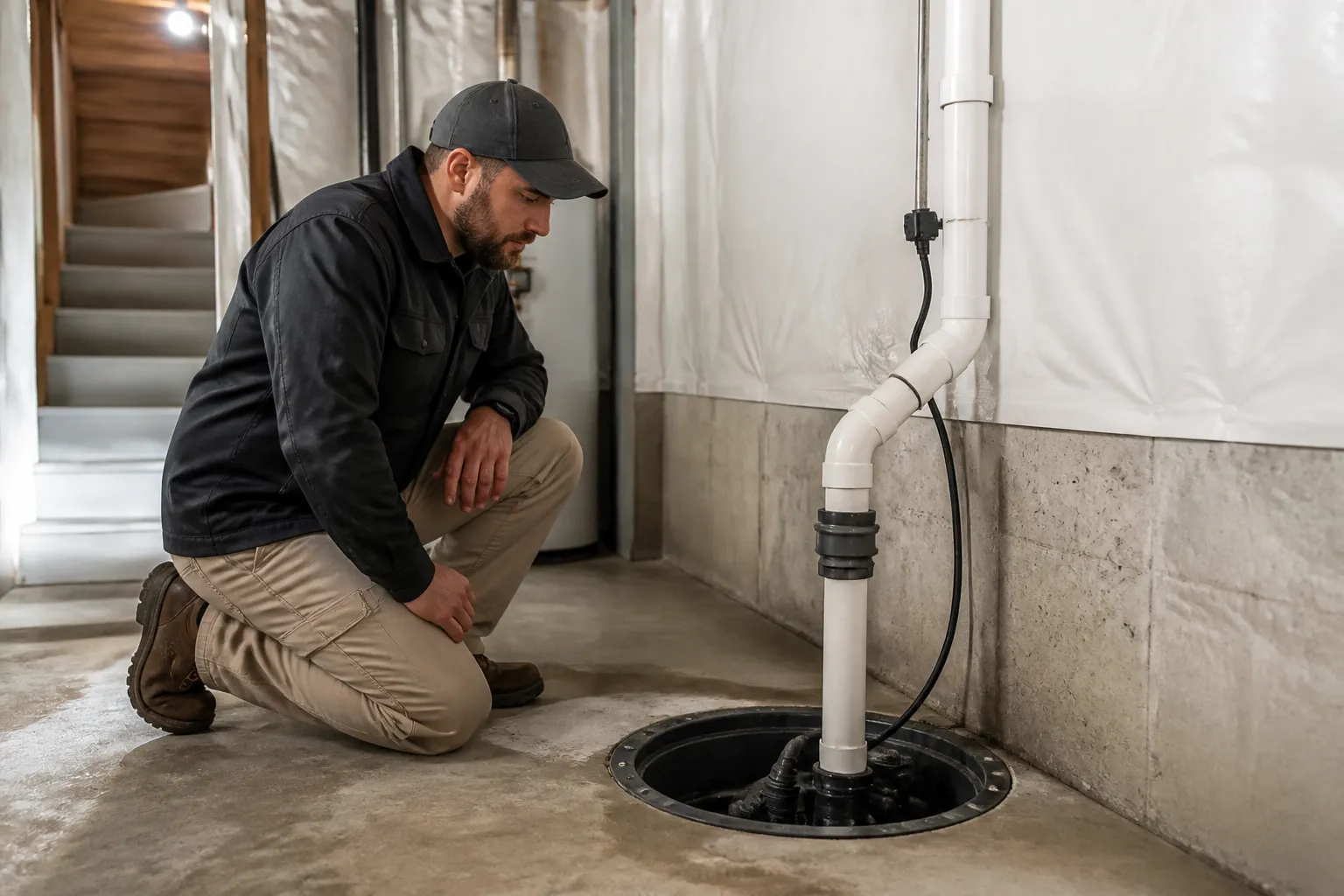
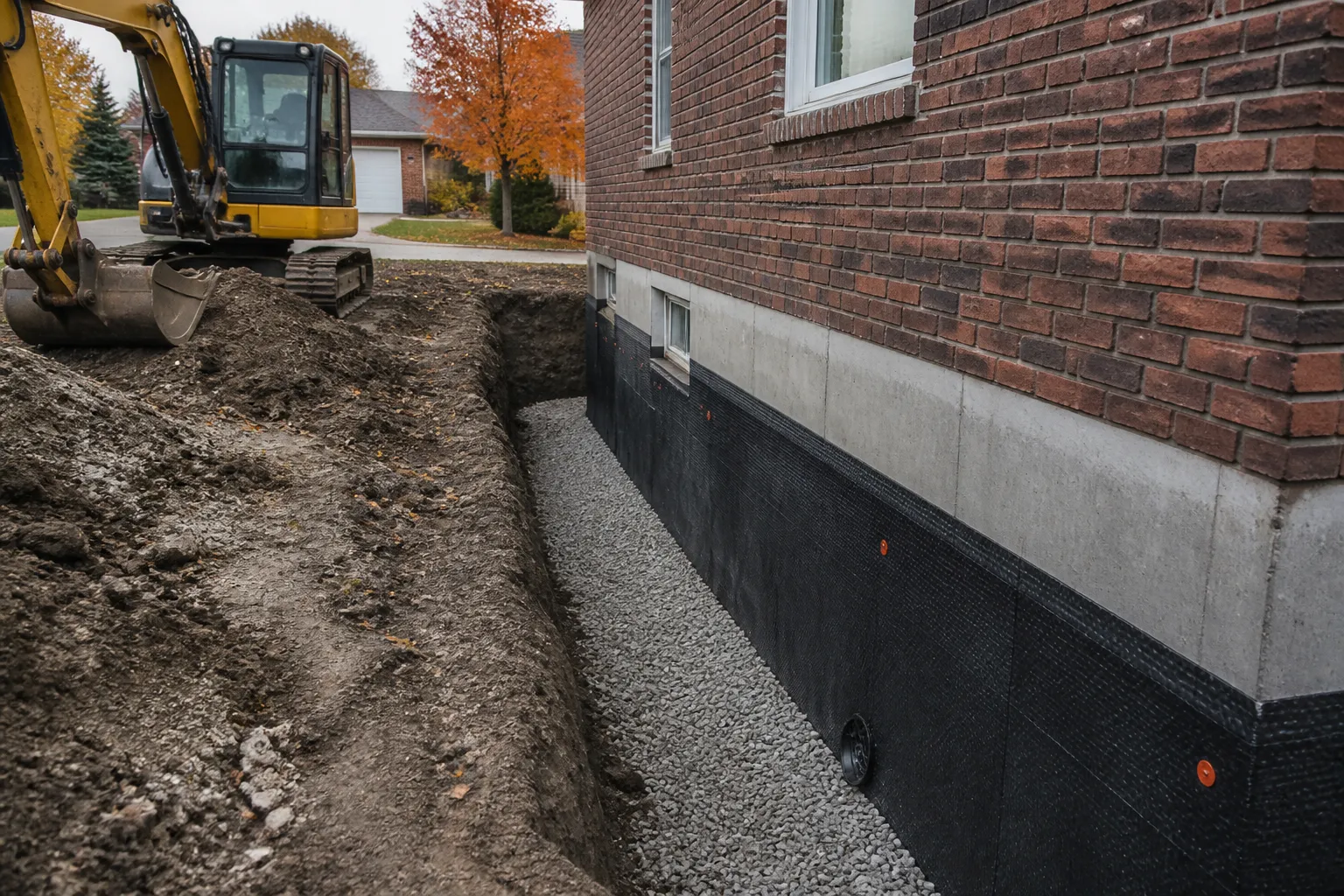
A sump system has a few simple parts. A pit is set into the basement floor. It collects water from the weeping tile, the drain pipe that runs around your foundation. A pump sits in the pit and pushes the water out of the house through a discharge pipe and hose. When it works, groundwater never reaches your basement floor.
The Big Rule: Never Pump Into the Drain
The City of Winnipeg says it is illegal to drain sump pump water into your basement floor drain or any other part of your home plumbing. This one surprises people, because it seems like a neat shortcut. The problem is that the city sewer system is built to handle normal household wastewater. It is not built for a flood of clean groundwater. When many homes send sump water into the sewer, the system gets overloaded. That raises the risk of basement flooding for you and your neighbors. It also means clean water gets sent to a treatment plant for no reason.
Where the Water Should Go
The city also says your discharge should not drain onto neighboring properties, lanes, sidewalks, boulevards, or streets. The water should land on your own property, where it can soak into the ground. A lawn or flower bed works well. The city even suggests using the water to help your grass, shrubs, and trees.
A few good habits help:
- Point the hose away from your foundation so the water does not run right back to the house.
- Use a splash pad or extension to spread out the flow and prevent soil from washing away.
- Make sure the water has a clear path and does not pool.
- Do not bury the hose under mulch or grass. A hidden hose is easy to miss and may still draw a violation notice.
Winter Care: Do Not Let the Hose Freeze
This is where many pumps die. If water in the discharge hose freezes, the pump has nowhere to push. It can overheat and burn out. The city offers two main ideas. Once temperatures drop below freezing in the fall, disconnect the flexible hose outside. Then attach a 90 degree elbow to the discharge outlet, with a splash pad under it, so water drops out of the pipe near the house wall and drains away. Test whichever method you use to be sure it works for your yard.
Also, never unplug your sump pump in winter. Spring melt is when you need it most.
Add a Backwater Valve
A sump pump protects you from groundwater. A backwater valve protects you from sewer backup. They solve different problems. A backwater valve is a one way gate on your sewer line. When the city sewer fills up, it stops the flow from coming back into your home. The city recommends having a licensed plumber install both a backwater valve and a sump pit with a pump. Both need to be checked regularly to be sure they work.
Keep Your Pump Healthy
- Test it. Pour a bucket of water into the pit and watch it turn on and drain.
- Clean it. The city suggests cleaning the pump thoroughly at least once a year.
- Check the float. The float tells the pump when to start. If it sticks, the pump will not run.
- Plan for power loss. Storms can knock out power. A battery backup can keep you protected when it matters most.
- Know the age. Pumps do not last forever. If yours is old and noisy, replace it before it fails.
Signs of Trouble
Call for help if your pump runs nonstop, makes grinding noises, will not turn on, or if the pit fills up faster than the pump can empty it. A pit that never fills may mean the weeping tile is clogged or collapsed. A pit that is always full may mean the surface water is not being carried away from the house. A pro can sort out which problem you have.
What If You Get a Notice?
The city sends violation notices to owners whose sump water drains illegally. If you get one, fix the discharge so it lands on your own property, and call 311 with questions. Do not ignore it.
Winnipeg Waterproofing can inspect your sump system, your drainage, and your foundation and tell you if everything is set up right. Contact us for a visit.