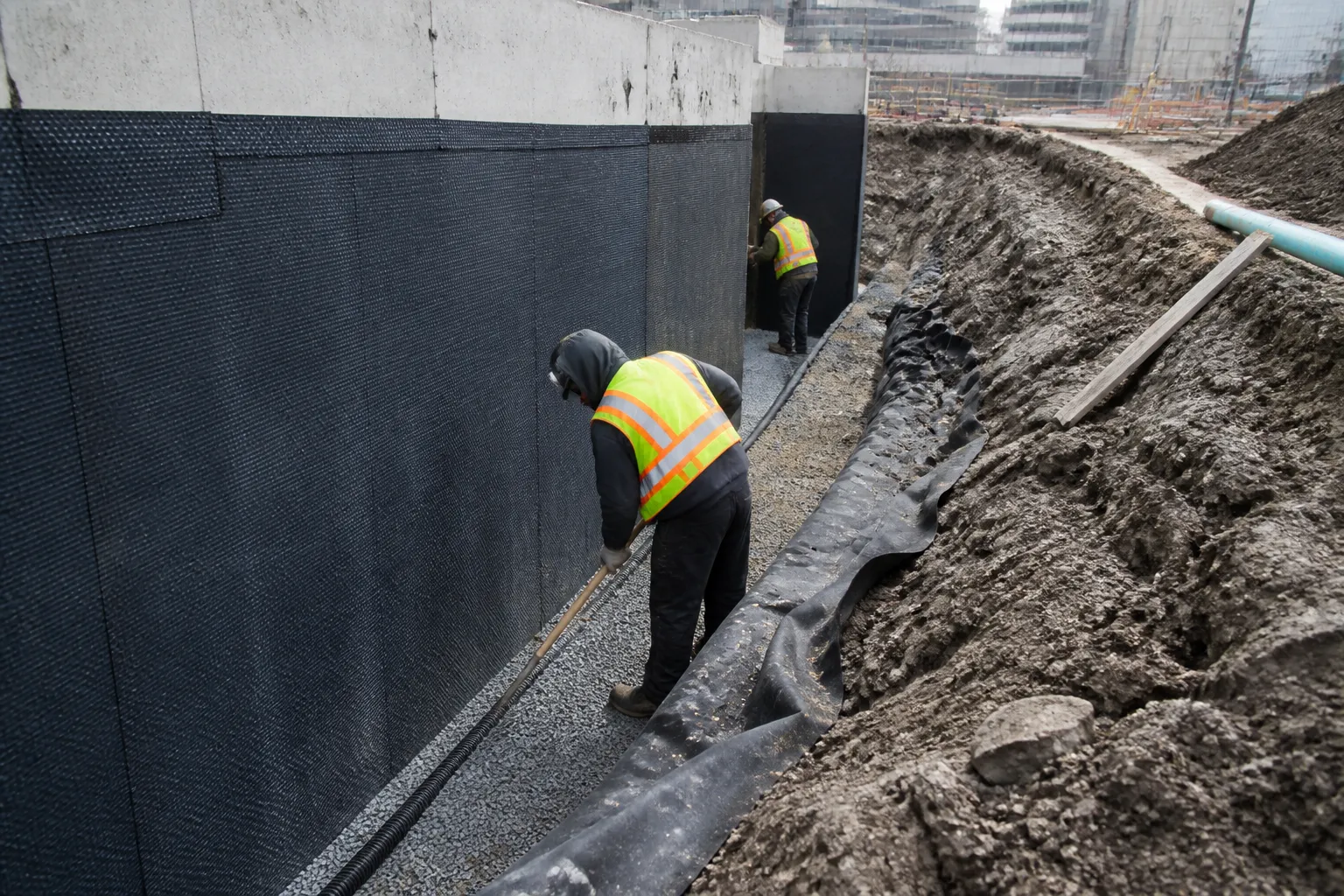
Water where it should not be, damp walls, musty odors, or visible cracks can all point to a building that needs attention. If your property at Winnipeg, MB R3L 1Z3 is showing those signs, the next step is to find out where the water is coming from before the damage spreads farther.
Winnipeg Waterproofing helps property owners address commercial moisture and foundation concerns with practical solutions that fit the problem at hand. We look at the source, the path water is taking, and the parts of the structure being affected so the fix is based on the real cause, not just the symptom.
Water problems often start small, then become harder to ignore. A commercial building may need attention when water leaves behind clues that show up on walls, floors, or around the foundation.
These signs do not always mean the same thing, which is why the source matters. A crack, a drainage concern, or a sump pump problem can all create similar damage patterns.
Commercial Waterproofing work starts with understanding how water is entering, where it collects, and what parts of the structure are being affected. That may involve the foundation, lower walls, sump system, or nearby drainage conditions.
We look for cracking, movement, seepage points, and signs that the structure is under stress. A small crack can let in moisture for a long time before it becomes obvious indoors.
Water rarely leaves random clues. Stains, damp zones, and repeated wet areas help show whether the problem is a crack, a seepage point, or a drainage path that brings water to the foundation.
If a sump pump is part of the system, we assess whether it is handling the water load the building receives. Drainage issues often show up as repeated dampness, standing water, or moisture that returns after the area dries.
Different buildings need different solutions. We choose the approach that matches the damage, the structure, and the source of the water entry.
Cracks can open a path for water and should be addressed with the right repair method for the crack type and condition.
This option is used for certain cracks where sealing the line helps reduce moisture entry and stabilize the repair area.
When water is finding its way into lower areas, waterproofing measures can help protect interior spaces from repeated seepage.
Where the foundation itself is part of the concern, we look at ways to reduce direct water contact and help protect the structure.
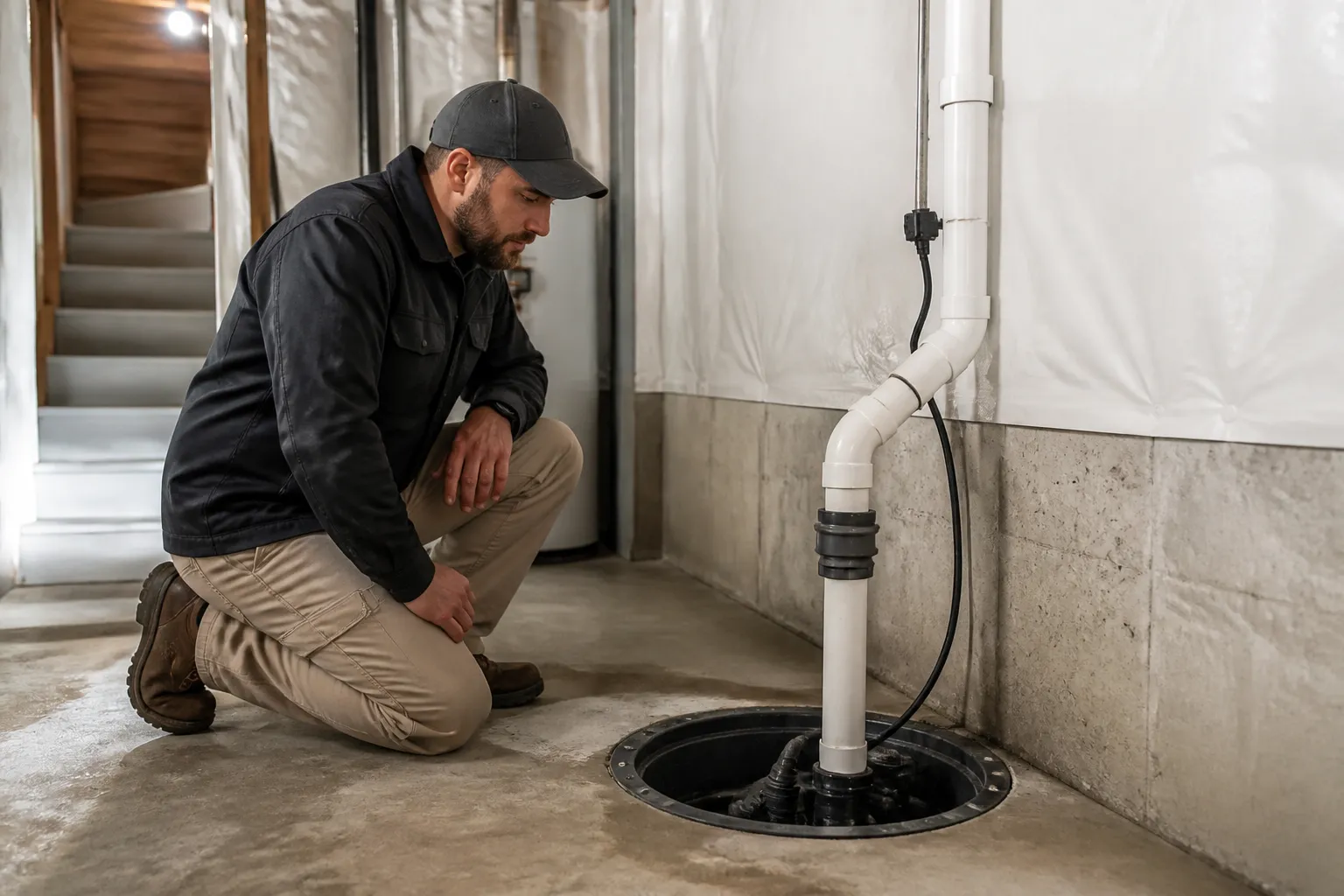
A sump system can be an important part of water management for buildings that collect or move water toward a low point.
Some projects need one repair. Others need several pieces working together. A crack seal alone will not help much if water is still being driven toward the same wall.
Commercial waterproofing needs vary from one property to another. A finished interior has different concerns than a utility area, storage level, or building section that handles regular moisture exposure.
We also help with building waterproofing when the concern reaches beyond a single wall or crack and affects more than one area of the structure.
Good waterproofing work should feel organized and clear. Once we understand the issue, the next steps are aimed at reducing the water entry point and protecting the area affected by it.
We begin by learning where the water shows up and how often it returns. Repeated dampness tells a different story than a one-time spill or isolated stain.
Next, we look at the crack, seepage point, sump system, or drainage condition that is allowing water to reach the building.
After the source is identified, we recommend a practical repair path. That might include crack repair, injection, sump work, or waterproofing measures for the affected area.
The goal is to reduce future water entry and help the building stand up to recurring moisture exposure.
Not every crack is the same. Some are narrow and stable, while others hint at movement or pressure on the foundation. That is why crack repair should be chosen carefully rather than sealed with a one-size-fits-all approach.
When cracks are tied to structural movement, services such as helical underpinning, house leveling, or basement wall bracing may be part of the discussion. Those options are considered when the building needs more than a surface repair and the foundation itself needs support.
We look at what the crack is telling us before recommending the next step. That helps avoid repairs that only hide the line while the underlying condition stays active.
Water damage is not only about what you can see. Moisture can weaken materials, affect stored goods, and create ongoing maintenance concerns if it keeps reaching the same area.
Commercial Waterproofing helps reduce that cycle by addressing the path water uses to enter or collect. In some cases that means basement waterproofing. In others, it means improving drainage, repairing a sump pump, or sealing a foundation crack before it grows into a larger problem.
For Winnipeg, MB R3L 1Z3 property owners, the goal is not a temporary patch. It is a practical fix that fits the building and the conditions around it.
Leaks often come from foundation cracks, seepage points, drainage concerns, or sump system problems. The visible stain is usually only the end result, not the source.
Cracks that widen, repeated moisture on lower walls, shifting finishes, and damp spots around the base can all point to a foundation-related concern.
Yes. Even a narrow crack can let water enter a building again and again, especially if the source of the pressure is still present.
Epoxy crack injection is used for certain foundation cracks where the goal is to seal the line and reduce moisture entry through that area.
A sump pump may be needed when water collects in a low point and needs to be moved away from the building before it reaches interior areas.
Yes. Addressing the source of moisture and the vulnerable areas around it can help reduce repeated water entry and limit further deterioration.
If your commercial property shows signs of seepage, cracking, or moisture buildup, Winnipeg Waterproofing can help identify the cause and recommend a clear path forward. Commercial Waterproofing at Winnipeg, MB R3L 1Z3 begins with the right diagnosis, then moves to a repair that makes sense for the building.
Call +14314414876 to discuss the concern and schedule an inspection. Our office at 196 Osborne St, Winnipeg, MB R3L 1Z3 is open Monday through Sunday from 8:00 to 06:00.
Get Started
Call +14314414876 or fill out the form to discuss your waterproofing concern and the most practical next step for your home.