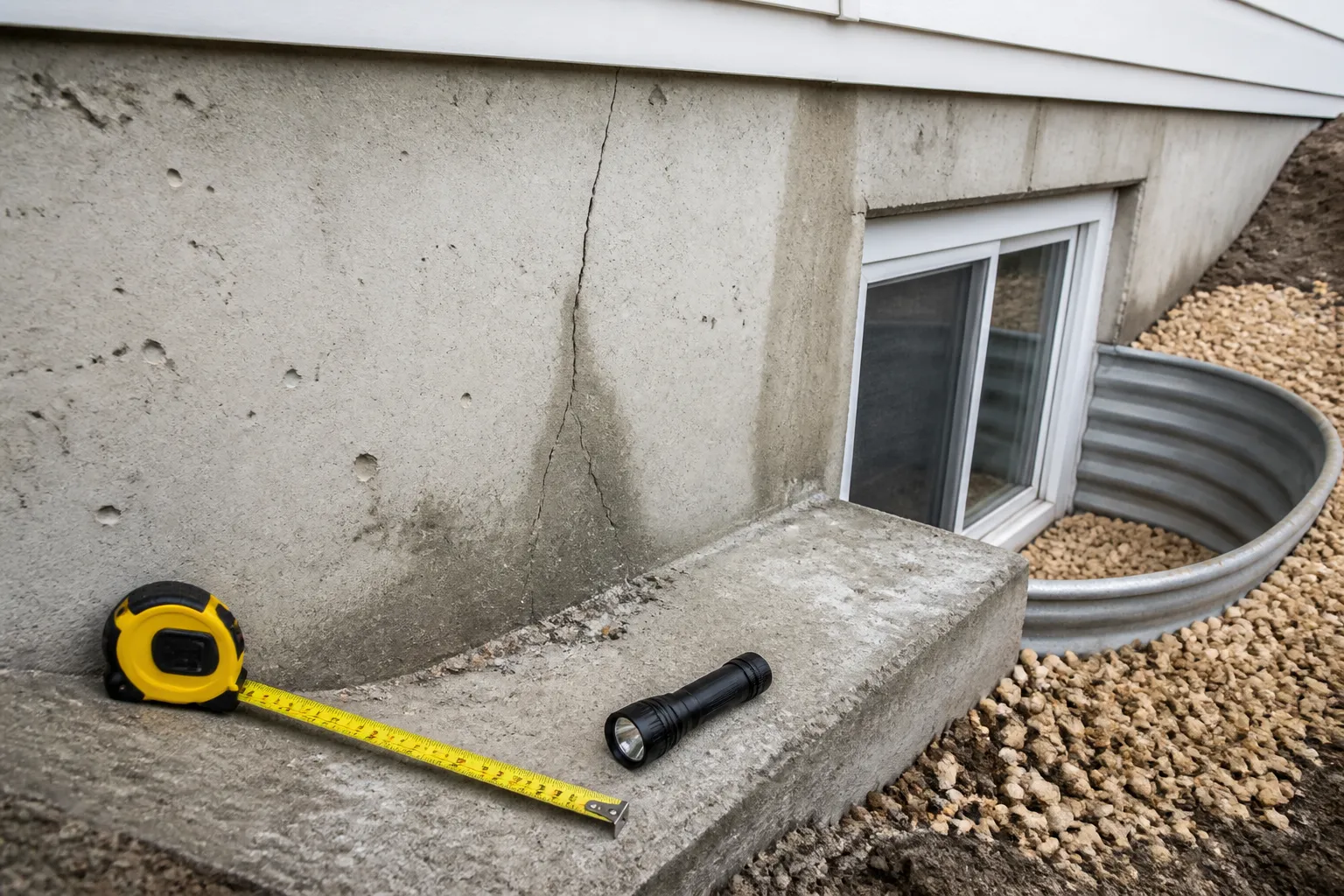
A crack that keeps widening. A basement wall that looks bowed. A door that suddenly sticks for no clear reason. These are the kinds of signs that tell a homeowner it is time for a foundation inspection at Winnipeg, MB R3L 1Z3.
Winnipeg Waterproofing looks at the full picture, not just the visible symptom. We inspect for movement, moisture entry, crack patterns, drainage concerns, and signs that point to larger foundation stress, then explain what the findings mean for your home.
A foundation inspection is more than a quick visual check. We examine the areas that often show the first signs of trouble, then connect those signs to likely causes so you can decide what should happen next.
At Winnipeg Waterproofing, the goal is to identify whether the issue is isolated or part of a broader foundation problem. That distinction matters because a small visible crack can sometimes be connected to drainage, pressure against the wall, or structural movement.
Some homes show obvious warning signs, while others reveal only subtle changes over time. If you notice any of the following, a foundation inspection can help clarify what is going on.
Cracks may appear in concrete walls, mortar joints, floors, or around windows and doors. The size, direction, and location of a crack all matter. A thin vertical crack may point to one concern, while a stair-step or widening crack can suggest something different.
Dark patches, white residue, or damp lines often indicate past or ongoing moisture entry. These marks can reveal where water is finding a path, even if the area seems dry at the moment of the visit.
Walls that curve inward, bulge, or show uneven surfaces may be under pressure. A foundation inspection helps determine whether the change is cosmetic or structural.
Floors that slope, gaps that open above trim, or doors that do not close the same way can all be tied to foundation movement. These changes are worth checking before they grow harder to correct.
Foundation concerns are easier to understand when they are broken down step by step. Here is how a typical inspection is approached by Winnipeg Waterproofing.
We start by hearing what you have noticed, when it began, and whether the problem has changed over time. This helps narrow the likely cause before the inspection continues.
We examine visible foundation surfaces, wall conditions, floor transitions, cracks, and other signs of movement or stress.
Water entry often follows a pattern. We look for staining, dampness, drainage-related clues, and vulnerable areas where moisture is likely to enter.
You receive a clear explanation of what the signs may mean, whether the concern appears active, and what repair paths are most appropriate for the situation.
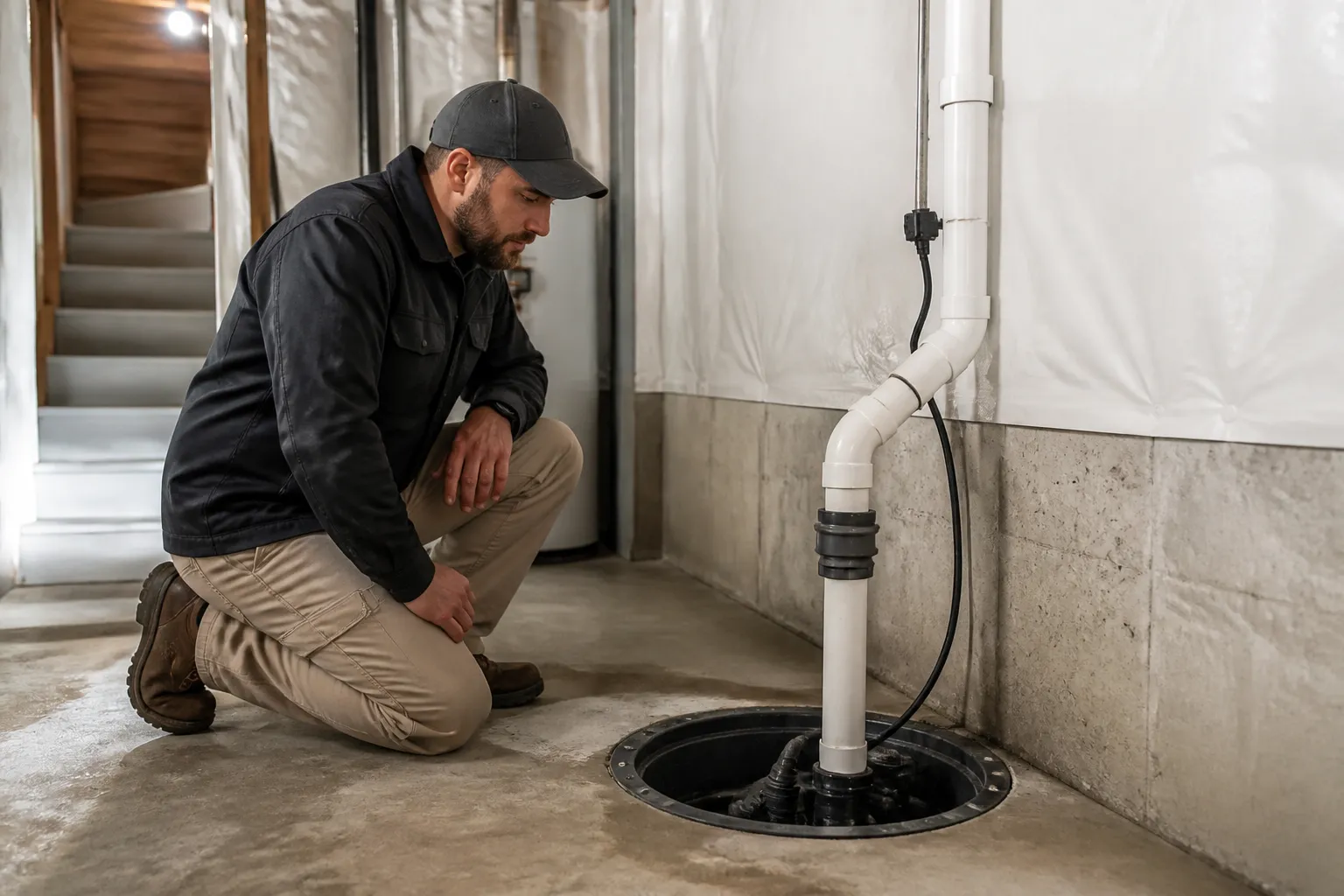
This process helps separate cosmetic concerns from issues that may need foundation crack repair, sump pump installation, drainage solutions, epoxy crack injection, wall bracing, house leveling, or helical underpinning.
Many foundation problems are linked to both water and structural stress. That is why a thorough inspection looks beyond the crack itself. A leak may be the symptom, but the cause could involve pressure against the wall, settlement, or an existing weakness that let water through.
Foundation cracks can admit moisture, and moisture can worsen deterioration over time. Movement can also open new paths for water entry. An inspection helps show which part of the problem started first and which part is being affected now.
If a crack is sealed without understanding the reason behind it, the same issue may return. By tracing the source, we can recommend a more durable fix rather than a surface-level patch.
You do not need to wait for a major leak or visible damage before arranging a foundation inspection. Homes often give smaller warnings first. A timely review can help protect against larger repairs later.
If you are planning repairs, an inspection can help you understand which solution matches the actual condition of the foundation. That can prevent you from choosing a fix that only addresses the symptom.
A foundation inspection gives you more than a list of concerns. It gives you a clearer path forward. For homeowners at Winnipeg, MB R3L 1Z3, that matters because foundation problems can develop slowly and then become harder to ignore.
When the condition is identified early, you can make decisions with more confidence. You may learn that the issue is limited to one crack, or you may find signs that suggest a larger concern requiring structural repair or drainage correction. Either way, you are working from facts instead of guesswork.
After the inspection, the most practical next step depends on the findings. Sometimes the path is epoxy crack injection. Other times the solution may involve sump pump repair, sump pump installation, basement waterproofing, foundation waterproofing, basement wall bracing, house leveling, or helical underpinning. The inspection helps point to the right direction.
Some people call because they have active water entry. Others call because something simply does not look right. Both situations matter. A foundation inspection can help determine whether the concern is a minor repair, an ongoing moisture source, or a structural issue that needs attention.
Winnipeg Waterproofing serves homeowners who want clear answers about what their foundation is telling them. We inspect carefully, explain the findings in plain language, and focus on practical work that fits the condition of the home. If you have noticed cracking, moisture, or movement, a closer look is the right place to start.
It includes a review of visible cracks, wall condition, moisture signs, movement clues, and other issues that may point to foundation stress or water entry.
Yes. Small cracks can remain stable, but some are early signs of movement or a path for water. The shape and location help determine the concern.
Not always. Moisture may come from drainage, seepage, or a crack. An inspection helps show whether the issue is mainly water-related or tied to foundation movement.
We look for bowing, leaning, surface changes, cracks, and related signs such as floor slope or gaps around trim and openings.
You get a clear explanation of the findings and a recommendation based on the condition of the foundation, whether that points to sealing, repair, support, or drainage work.
Yes. It can show which area needs attention first and which solutions match the problem, which helps you plan repairs with more confidence.
Winnipeg Waterproofing is located at 196 Osborne St, Winnipeg, MB R3L 1Z3 and can be reached at +14314414876. Our hours are Monday through Sunday, 08:00 to 06:00.
Get Started
Call +14314414876 or fill out the form to discuss your waterproofing concern and the most practical next step for your home.