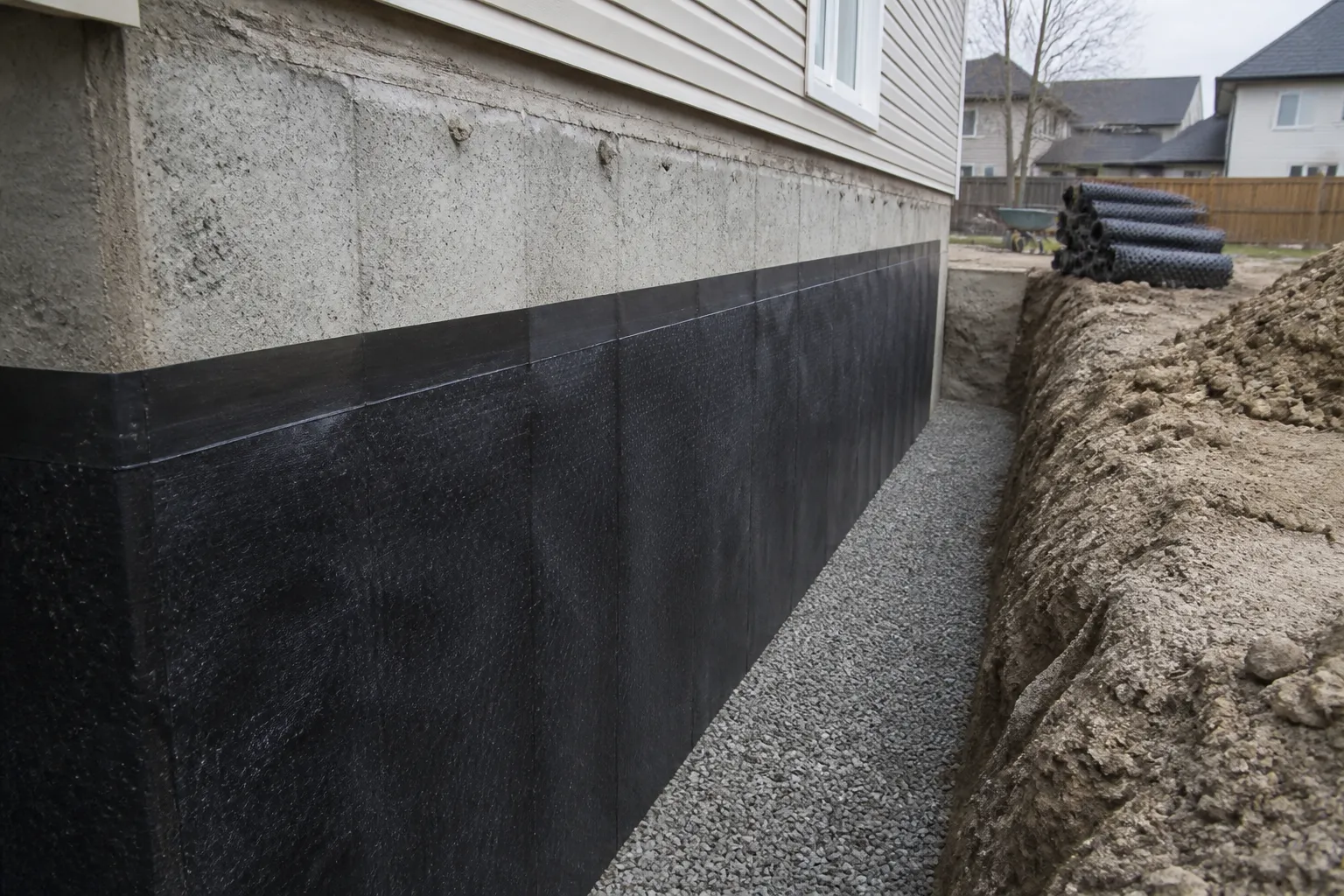
Water around a foundation rarely stays a small concern for long. A damp wall, a widening crack, or a musty lower level can point to water getting where it should not, and that often means the foundation needs attention before the problem spreads.
If your home at Winnipeg, MB R3L 1Z3 is showing stains, seepage, cracking, or shifting, Winnipeg Waterproofing can help identify where the water is coming from and what needs to be done next. We look at the source of the moisture first, then recommend foundation waterproofing work that fits the condition of the home.
Foundation water problems do not always start with a dramatic leak. Many homeowners first notice small changes that seem harmless until they begin to repeat.
These signs often suggest water is moving through the foundation, around it, or through weak points that have developed over time. The sooner the source is understood, the easier it is to limit further damage.
Foundation waterproofing starts with understanding how the problem is showing up. Different symptoms can point to different causes, and the wrong fix can leave the issue active behind the scenes.
We look at cracks, wall stains, floor dampness, loose finish materials, and any signs of repeated moisture. These details help show whether the problem is coming through a crack, around a wall, or from drainage concerns near the foundation.
Where the moisture appears matters. A wet corner, a line along the wall base, or a recurring damp patch can tell a lot about how water is entering and where it is traveling once it gets inside.
Some foundation water problems overlap with movement, settling, or wall stress. If a crack is widening, bowing is visible, or floors seem uneven, waterproofing may need to be paired with structural repair solutions.
Winnipeg Waterproofing offers foundation waterproofing solutions that are chosen based on the condition of the home, not a one-size approach. The goal is to reduce water entry, protect the foundation, and support long-term performance.
When water is entering through a foundation crack, sealing the crack can help block the path and reduce seepage. Epoxy crack injection is often used for certain structural crack conditions, while other crack repair approaches are used when the issue is more about moisture control.
Water that collects near the foundation needs a path away from the home. Drainage improvements can reduce pressure against the foundation and help keep moisture from building up around vulnerable areas.
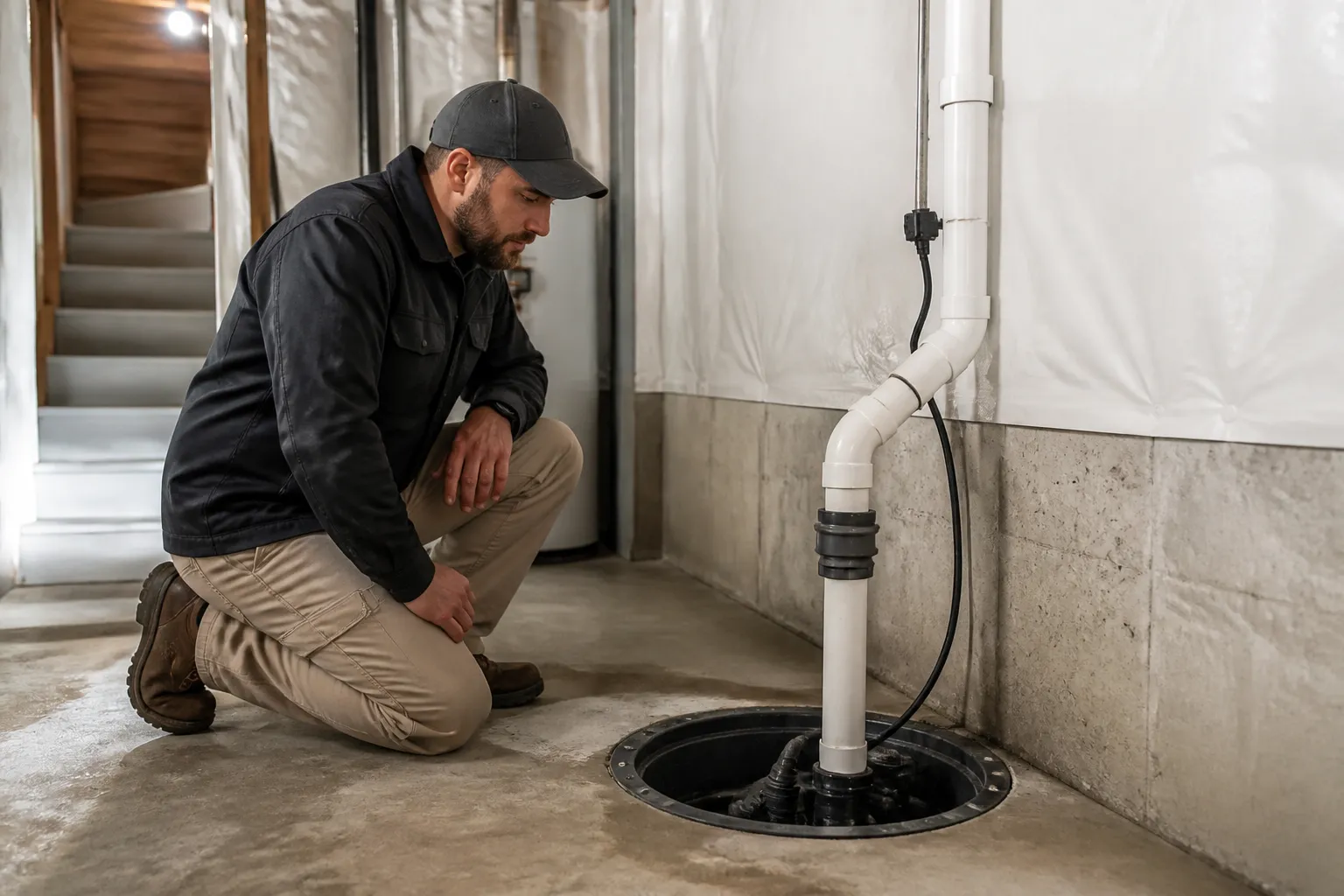
A sump pump installation or sump pump repair can be part of a broader waterproofing plan when water management inside the basement matters. This helps handle water that reaches the collection point instead of allowing it to spread across the floor.
When moisture problems overlap with wall movement, bracing may help support damaged or stressed basement walls while other waterproofing work addresses the source of water entry.
These services are often most effective when matched to the actual cause of the problem rather than treated as a generic fix.
Not every crack means the same thing, and not every crack should be handled the same way. Some cracks are mostly a water entry point, while others also suggest movement or pressure against the foundation.
Small cracks may still allow moisture to pass through, especially if water is building up outside the foundation. Even a thin opening can lead to repeated dampness if it remains unaddressed.
Cracks that appear to grow, shift, or show repeated wetness need a closer look. These can be part of a larger foundation issue that may call for foundation crack repair, epoxy crack injection, or a structural solution such as helical underpinning or house leveling.
If basement walls are bowing, cracking, or showing signs of pressure, waterproofing alone may not be enough. In these cases, basement wall bracing can be part of the repair plan so the wall has support while moisture entry is addressed.
Homeowners often want to know what happens after they reach out. The process is straightforward and focused on the condition of the home.
We listen to what you have noticed, such as seepage, cracks, dampness, or odors. That helps narrow down where the concern began.
The foundation is examined for visible water entry points, wall stress, and signs of movement or drainage trouble.
We explain what seems to be causing the problem and what waterproofing or repair method makes sense for that condition.
Once the plan is set, the chosen foundation waterproofing service is carried out with attention to the specific issue at hand.
This process helps homeowners make an informed decision without guessing at what the foundation needs.
Foundation waterproofing is not just about drying out a basement. Water can affect the structure itself when it keeps pressing against walls, entering cracks, or softening the conditions around the foundation.
Over time, repeated moisture can contribute to surface damage, wall stress, and the kind of settling that makes other repair needs more likely. That is why foundation waterproofing is often paired with foundation inspection, crack repair, wall bracing, or leveling work when a home shows more than one symptom.
At Winnipeg Waterproofing, we aim to address the source rather than mask the symptom. That means choosing repair methods that support the foundation now and reduce the chance of repeated water entry later.
Homes at Winnipeg, MB R3L 1Z3 can face foundation water concerns that need more than a quick patch. What matters is understanding how moisture is affecting the specific foundation, what the visible signs suggest, and which repair approach fits the situation.
Winnipeg Waterproofing works with homeowners across Winnipeg and nearby communities, including St. Vital, River Heights, Fort Garry, St. Boniface, Tuxedo, Charleswood, St. James, Transcona, West Kildonan, East Kildonan, Fort Richmond, and Linden Woods. Whether the issue is a basement leak, a crack, or ongoing moisture, we focus on practical waterproofing work that supports the home for the long term.
Water problems often begin when moisture finds a path through a crack, along a wall base, or around areas where drainage is not managing water well. Pressure against the foundation can also make seepage more likely.
Yes. Even a narrow crack can let moisture seep into a basement, especially when water is collecting near the foundation or conditions remain damp for long periods.
No. Crack repair handles water entry through a specific opening, while foundation waterproofing may also involve drainage, sump pump work, or structural support depending on the source of the issue.
An inspection makes sense when you notice stains, seepage, dampness, movement, or recurring musty smells. It is also useful before the problem becomes larger or affects more of the basement.
Not always. Moisture can also come from drainage concerns, pressure around the foundation, or water moving through weak points that are not easy to see right away.
Waterproofing can help with the moisture side of the problem, but bowing walls may also need basement wall bracing or another structural repair method. The right plan depends on what the inspection shows.
If you are seeing signs of moisture, cracks, or seepage at your foundation, Winnipeg Waterproofing can help you sort out what is happening and what repair path makes sense. Foundation waterproofing is most effective when it is matched to the source of the problem, not just the visible symptom.
For foundation waterproofing at Winnipeg, MB R3L 1Z3, call +14314414876 and talk through what your home is showing. We will help you move from uncertainty to a clear plan.
Get Started
Call +14314414876 or fill out the form to discuss your waterproofing concern and the most practical next step for your home.