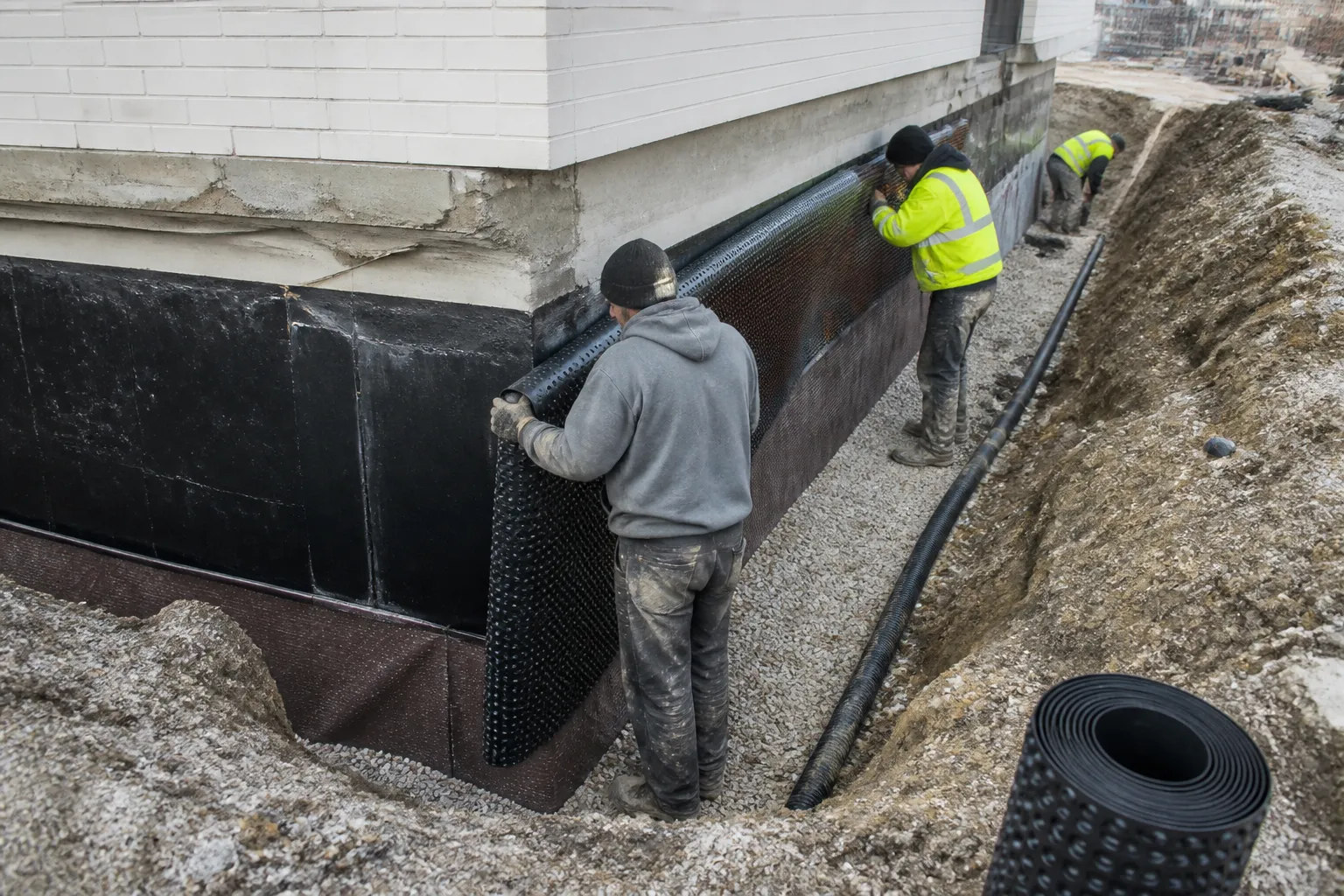
Water stains on a basement wall, damp concrete, or a musty smell after moisture builds up are signs that your building may need attention. When water finds a path through foundation walls, floor joints, or other vulnerable areas, the damage can spread beyond the first visible mark.
Winnipeg Waterproofing helps property owners at 196 Osborne St, Winnipeg, MB R3L 1Z3 identify the source of the problem and choose a practical fix. If you are seeing seepage, cracking, or recurring moisture near the structure, we can assess the conditions and recommend building waterproofing that fits the issue instead of covering it up.
Water problems often begin quietly. A small patch of discoloration can be the first clue that moisture is moving where it should not. The earlier you act, the easier it is to reduce the spread of damage to walls, finishes, and building materials.
If these signs keep returning after cleanup, the source may be structural or drainage related rather than surface-level.
Building waterproofing starts with understanding where the moisture is coming from and how it is moving through the structure. We look for visible symptoms, inspect affected areas, and consider whether the issue is tied to cracks, wall seepage, floor joint movement, or another entry point.
At Winnipeg Waterproofing, we do not treat every moisture complaint the same way. A coating may not help if a crack is allowing water through a foundation wall. A drain-related concern may need a different solution than a wall repair. The goal is to match the method to the cause so you get a result that lasts longer than a temporary patch.
During an assessment, we focus on where water enters, where it collects, and which surfaces show repeated wear. That helps us narrow down the source and recommend the next step with more confidence.
Building waterproofing can involve more than one type of repair. The right approach depends on what the structure is showing and how far the moisture has progressed. Some problems are handled with crack repair, while others need drainage support or sump pump work to reduce water pressure around the building.
Common solutions may include:
Not every building needs the same combination of work. We focus on the repair path that addresses the actual source, not just the symptom you can see.
Cracks are one of the most common reasons moisture reaches the inside of a building. Some are narrow but still let in water when pressure changes. Others widen over time and create a clearer path for seepage. Once water enters through a crack, surrounding materials can start showing stains, soft spots, or repeated dampness.
For many properties, foundation crack repair is a key part of building waterproofing. In some cases, epoxy crack injection can help seal the crack and reduce further entry. If the crack is linked to movement or a larger structural concern, we may also discuss options such as helical underpinning or house leveling.
If a crack keeps reopening or water appears at more than one point, the problem may go beyond surface damage. That is when we look at the broader condition of the foundation, surrounding drainage, and any signs of movement that could be affecting the building.
Waterproofing often works better when the building has a plan for managing water around and beneath it. When water collects near the foundation, it can increase pressure against walls and make moisture entry more likely. Drainage-related solutions help move that water away from vulnerable areas.
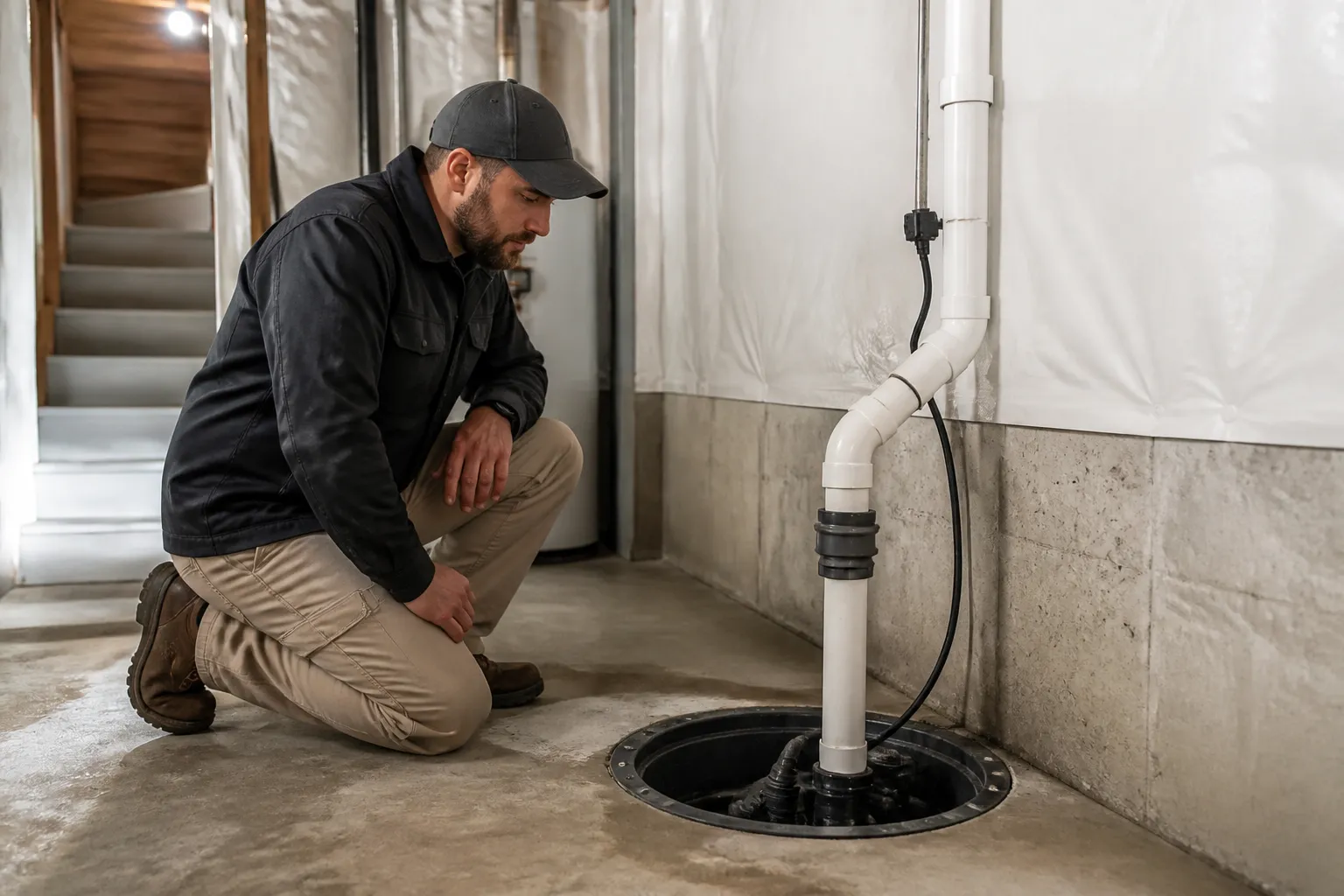
Depending on what we find, the work may include sump pump installation or sump pump repair. In buildings where moisture control is a recurring concern, these services can support the overall waterproofing approach and reduce the chance of repeat seepage.
If moisture returns after cleanup, or if wet areas appear near the same wall or corner, drainage may be part of the cause. It is often worth checking whether the structure needs a water removal solution along with crack repair or sealing work.
Building waterproofing is not just about reacting after water gets inside. It is also about protecting surfaces, reducing damage to materials, and keeping small concerns from becoming larger repair jobs. If the building is showing repeated moisture marks, the problem is already giving you a warning.
We work with property owners who want a clear answer about what is happening and what should happen next. Some buildings need a targeted repair. Others need several connected services to address the source and the effects at the same time. Winnipeg Waterproofing serves Winnipeg, MB R3L 1Z3 and surrounding communities with solutions based on the condition of the structure, not a one-size-fits-all plan.
Once you reach out, we start by learning what you have noticed and where the problem appears. That information helps us focus the inspection and move toward the likely source. From there, we discuss the condition of the building and the most practical waterproofing path.
Some projects are straightforward and centered on one crack or one wet area. Others call for a broader solution that includes inspection, repair, and water management. Either way, the aim is the same: reduce moisture entry, protect the building materials, and help the structure stand up better to future water exposure.
If you are unsure whether the problem is cosmetic or structural, it is worth having it checked. Moisture can hide behind finishes and reappear after the obvious surface dries.
Visible stains, damp walls, recurring seepage, musty odors, or cracks that seem to attract moisture are all strong signs. If the same spot keeps showing water after cleanup, the structure likely needs a closer look.
Yes. Even a small crack can let water through when pressure builds against the foundation. What starts as a narrow line can turn into a repeated seepage point.
No. Some buildings need crack repair, while others need drainage support, sump pump work, or a broader foundation waterproofing approach. The method should match the cause.
Intermittent moisture can still point to a real problem. Changes in conditions may affect when the water appears, but the entry point is usually still there.
Yes. Basement waterproofing is often used when a lower level keeps showing moisture, stains, or odors. The key is finding the source rather than masking the surface signs.
It is usually better to address moisture concerns early. Waiting can allow staining, cracking, or material damage to spread and make the repair more involved.
If your building shows signs of seepage, cracking, or repeated dampness, Winnipeg Waterproofing can help you sort out the cause and discuss the next step. Call +14314414876 or visit 196 Osborne St, Winnipeg, MB R3L 1Z3 to get started with building waterproofing that addresses the problem at its source.
Get Started
Call +14314414876 or fill out the form to discuss your waterproofing concern and the most practical next step for your home.