A damp basement, a musty smell, or a visible wall stain can be the first sign that water is finding its way inside your home. If you are seeing peeling paint, bubbling drywall, hairline cracks, or puddles near the floor, the problem may be growing quietly behind the surface.
Winnipeg Waterproofing helps homeowners at 196 Osborne St, Winnipeg, MB R3L 1Z3 address basement water problems with practical solutions based on the source of the moisture. We look at the leak, the crack, the drainage path, and the surrounding conditions before recommending the next step.
Basement water problems do not always start with a visible stream. Many homes show smaller clues first, and those clues can help point to the type of waterproofing work needed.
When these signs appear more than once, the issue is usually more than surface moisture. A careful inspection can help identify whether the problem is tied to a wall crack, a drainage concern, seepage through the foundation, or a sump pump issue that is not moving water away the way it should.
Basement seepage usually starts when water finds a weak point around the foundation or along the basement envelope. The visible symptom may be a wet floor corner, but the root cause can be farther away from that spot.
Small cracks can let moisture pass through concrete, especially when water pressure builds outside the wall.
The joint where the wall meets the floor is a common entry point for seepage and dampness.
If water is not being redirected away from the foundation, it can collect near the basement and work its way inside.
A sump pump that needs repair or replacement may leave water sitting too close to the home.
Winnipeg Waterproofing looks at these conditions together instead of treating one symptom at a time. That approach helps avoid repeated patchwork repairs that only mask the moisture for a short while.
A basement waterproofing plan should start with a clear understanding of where the water is coming from and what it is doing once it gets inside. We begin by reviewing the visible damage and asking where and when the problem shows up.
We examine wall cracks, floor edges, damp areas, pump performance, and any signs that water has been entering repeatedly. We also look for patterns such as whether the moisture appears after rain, snowmelt, or during periods of heavy ground saturation.
Once the source is identified, we discuss the most practical path forward. Some situations call for crack repair, while others need drainage solutions, sump pump work, or a combination of basement waterproofing measures.
The goal is to solve the cause, not just the visible stain. That distinction matters because a basement can look dry for a while even when the underlying entry point is still active.
Basement waterproofing is not one single service. Different problems call for different methods, and the right solution depends on how water is entering and where it is collecting.
Not every basement needs every service. A focused repair can often make a major difference when the cause is identified early. More involved water problems may require a layered solution that addresses both the crack and the movement of water around the foundation.
Foundation cracks can range from narrow lines to wider openings that show visible moisture. Some appear dry for a time and then begin leaking during wet conditions. Others may already show staining or active seepage.
Epoxy crack injection is used for certain types of foundation cracks where sealing the opening is the right approach. It can help block moisture entry through the crack itself and reduce the chance of repeated seepage from that point.
If a crack is tied to movement, settling, or another structural concern, crack sealing alone may not be enough. In those cases, foundation crack repair may need to be paired with other services such as house leveling or basement wall bracing, depending on what the inspection shows.
We do not treat every crack the same way. The shape, location, and behavior of the crack all matter when deciding on the repair path.
Even a well-sealed basement can struggle if water continues building up around the foundation. That is why drainage and sump pump work are often part of a long-term solution.
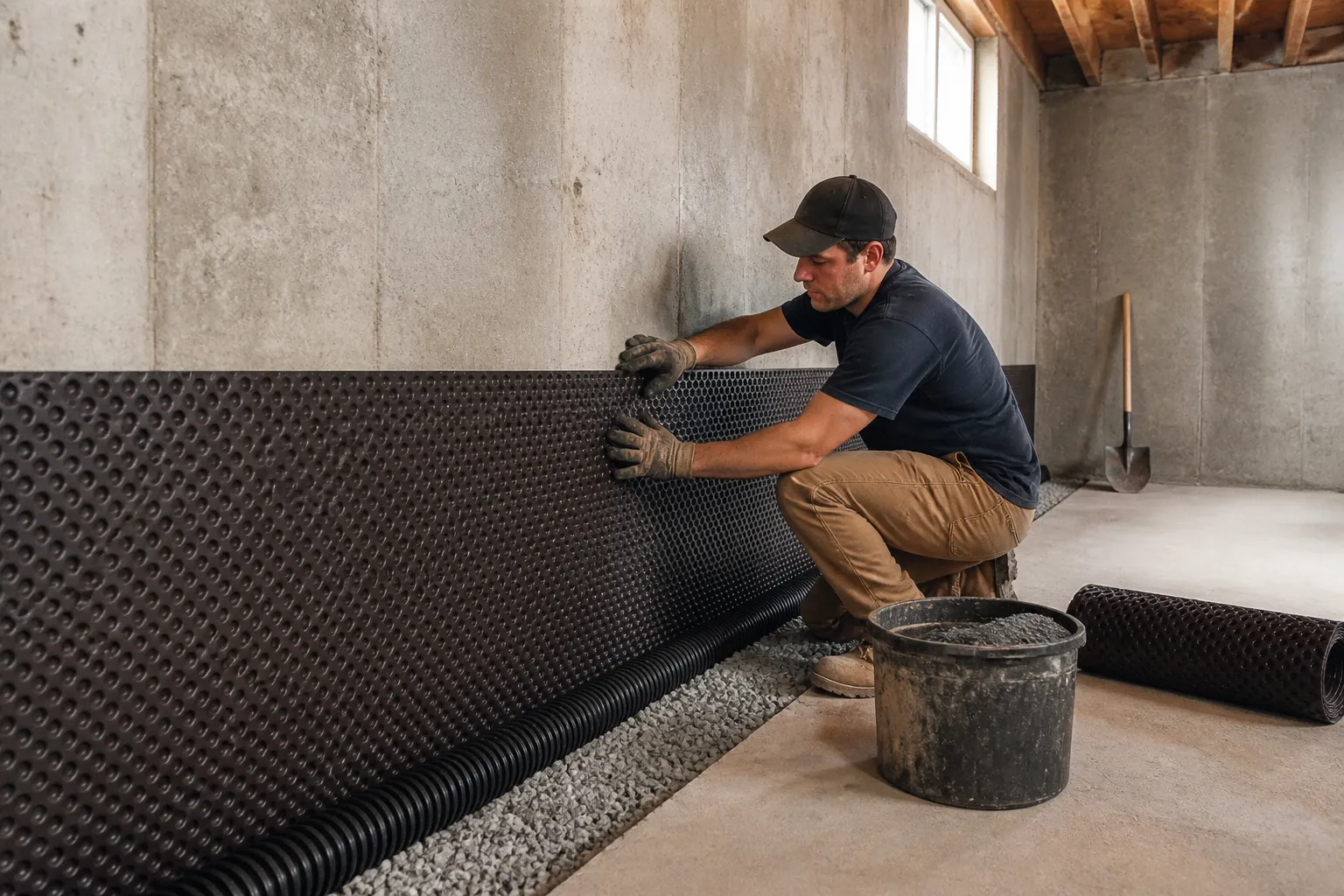
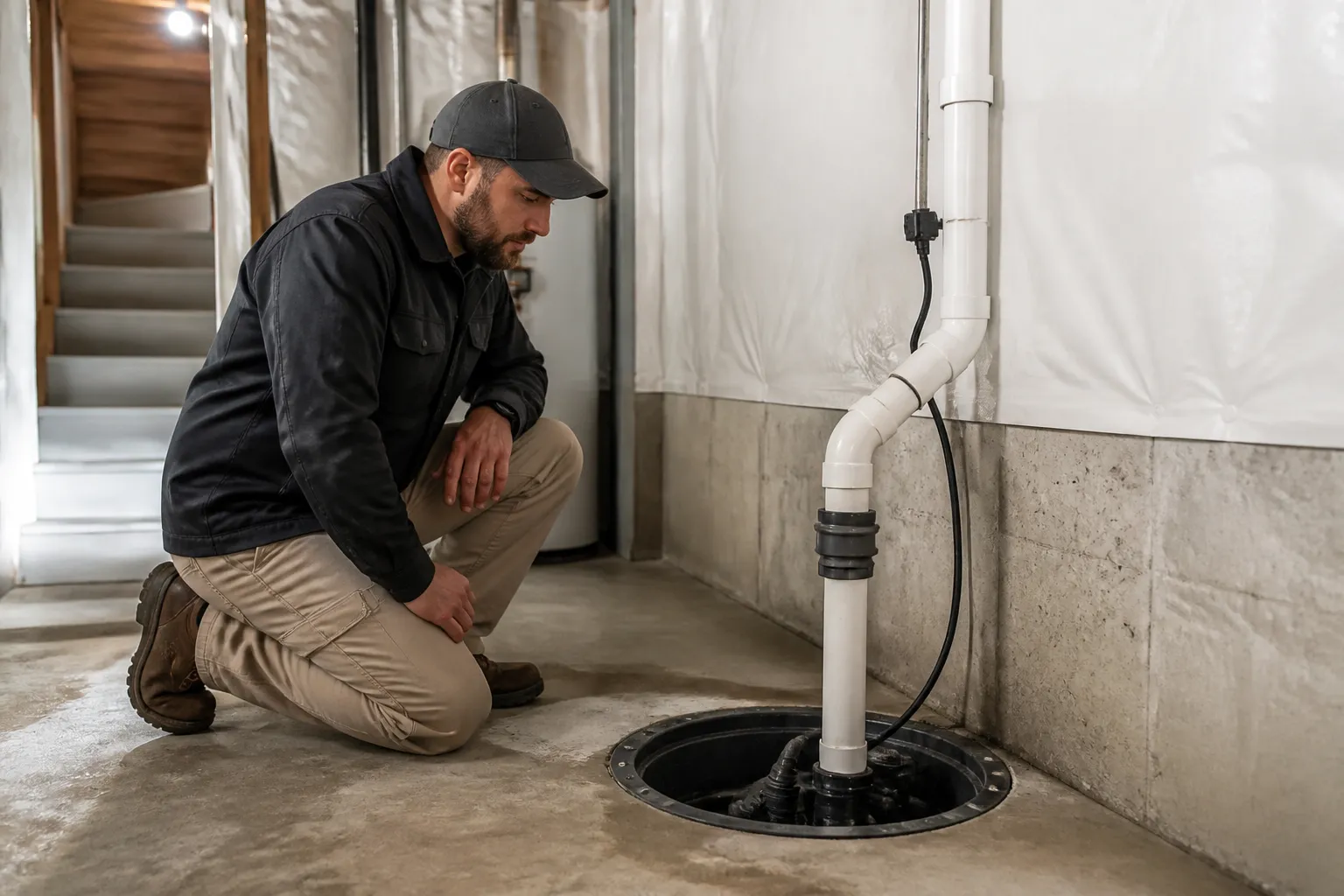
A sump pump is meant to move water away before it can collect near the basement. If the pump is failing, underperforming, or no longer suited to the home, sump pump repair or sump pump installation may be the better answer. Drainage solutions can also help direct water away from the structure so pressure does not keep forcing moisture back toward the basement walls.
Basement waterproofing works best when the entry point and the water path are both addressed. A sealed crack helps, but if water has nowhere to go, it can keep searching for another weak spot.
Some water problems show up alongside foundation movement. When that happens, the basement may need more than moisture control alone.
Winnipeg Waterproofing offers services such as house leveling and basement wall bracing for situations where foundation support needs attention. Helical underpinning may also be part of the discussion when a structure requires a stronger foundation solution. These services are not the answer for every basement leak, but they can matter when movement and seepage are connected.
We start with the condition of the home, not a preset package. That helps keep the repair focused on what the basement actually needs.
Homeowners often want to know what the process feels like once the work begins. Clear communication helps reduce surprises and makes it easier to plan the project around the home.
We start by looking at the visible basement concern and tracing where the water is likely entering.
After the inspection, we explain the most practical repair path and what it is meant to solve.
The work may involve crack repair, waterproofing, pump service, or drainage-related solutions depending on the issue.
We make sure you understand what was done and what signs to watch for going forward.
If the basement has already shown more than one moisture pattern, it is worth dealing with it sooner rather than waiting for more damage to appear. Water problems can spread from a small stain to a larger repair quickly if the entry point stays open.
Signs such as damp walls, musty odors, recurring stains, flaking paint, or water near the floor joint often point to a basement waterproofing need. A visible crack is also a strong reason to have the area checked.
Yes. Even a narrow crack can allow moisture through, especially when water pressure builds outside the foundation. A small crack can become a repeated leak source over time.
No. Many homeowners choose basement waterproofing after seeing early moisture signs so the problem does not advance. It can also help protect a basement that has had seepage before.
Intermittent leaks often mean the water entry point is affected by changing ground conditions. That pattern can still be traced and addressed with the right inspection and repair plan.
Yes. If a sump pump is not working as it should, water may remain too close to the foundation and create repeated basement seepage. Repair or installation may be part of the solution.
Absolutely. Basement moisture can show up as humidity, odors, staining, or wall damage long before standing water appears. Addressing it early can help limit further damage to the basement and foundation.
If your basement at Winnipeg, MB R3L 1Z3 is showing signs of seepage, cracks, or recurring dampness, Winnipeg Waterproofing can help you sort out the cause and the right repair path. From foundation crack repair to sump pump installation and drainage solutions, we focus on durable work that fits the condition of the home.
Call +14314414876 to discuss your basement waterproofing concerns and arrange a visit with Winnipeg Waterproofing.
Get Started
Call +14314414876 or fill out the form to discuss your waterproofing concern and the most practical next step for your home.