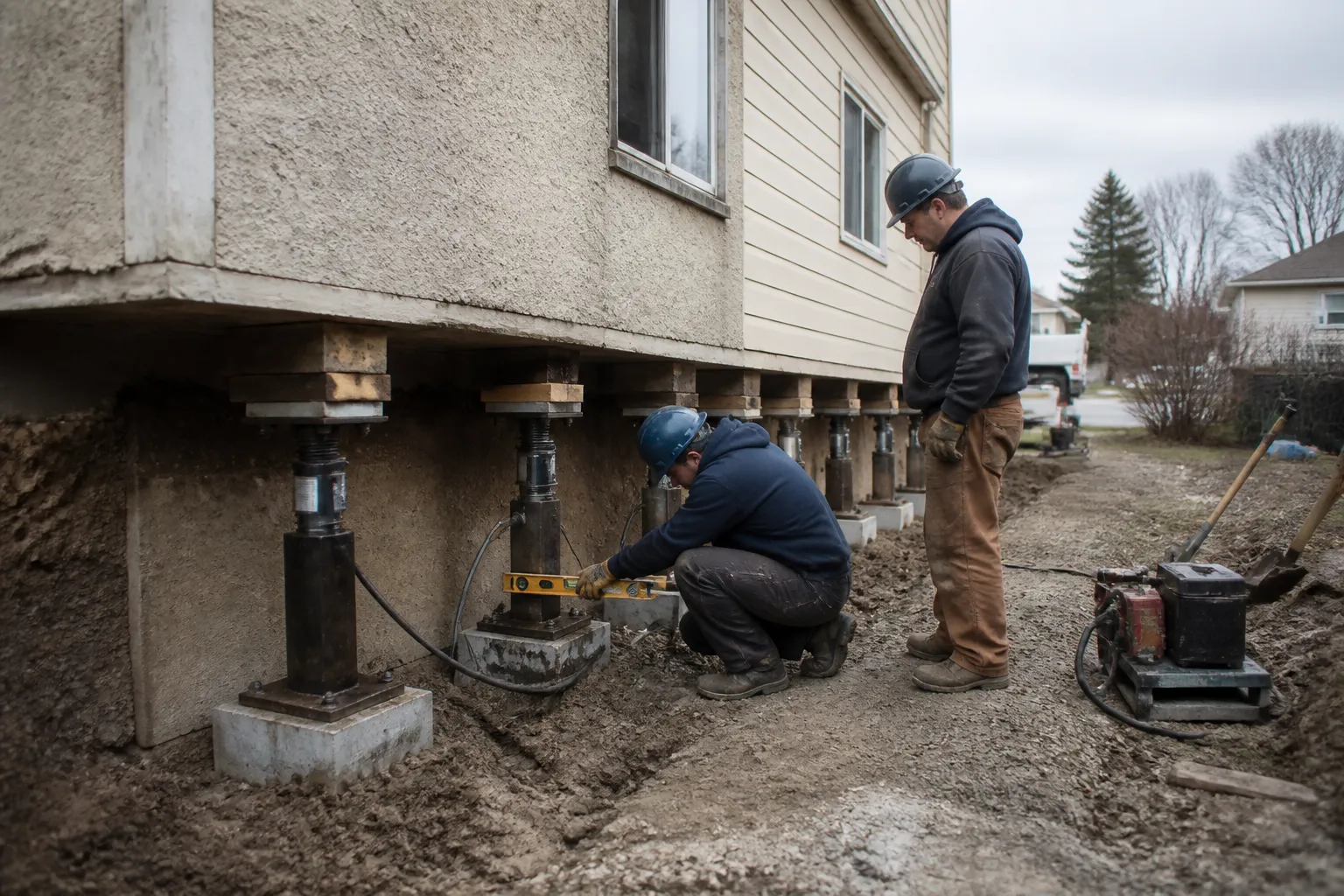
Are your floors starting to slope, your doors sticking, or drywall showing new gaps that were not there before? Those changes can signal that your home is shifting and that the structure needs a closer look before the movement leads to more damage.
When a house settles unevenly, the signs often show up slowly. You may notice cracks widening, trim pulling apart, or windows that no longer close the way they should. Winnipeg Waterproofing can inspect the problem at 196 Osborne St, Winnipeg, MB R3L 1Z3 and recommend house leveling solutions that match what your home actually needs.
Uneven movement does not always appear as a major structural problem at first. Homeowners often notice small changes long before the cause becomes obvious. Knowing what to look for can help you act before the issue spreads through the home.
If you are seeing more than one of these symptoms, a house leveling inspection is a smart next step. The goal is to determine whether the movement is active, what parts of the structure are affected, and what repair path makes sense.
House leveling is about correcting uneven support so the structure rests more evenly again. It is not just about making a floor feel flatter. The work is aimed at the cause of the movement, whether that means support issues, structural stress, or damage that has changed how the home sits.
At Winnipeg Waterproofing, we look at the home as a system. A level issue may be tied to foundation concerns, moisture-related damage, or stress that has built up over time. That is why the inspection matters. If the underlying cause is missed, surface repairs alone may not solve the problem.
House leveling needs can come from different sources, and each one calls for a different approach. Some situations involve support points that have shifted. Others involve wood or structural materials that have been affected by moisture, load changes, or long-term movement. We assess the pattern of the damage before recommending repairs.
Minor cosmetic cracks may seem harmless, but repeated changes often tell a bigger story. If the same doors, walls, or floors keep changing, the issue is likely more than surface wear. A clear inspection can help separate cosmetic concerns from movement that needs repair.
Before any leveling work begins, we take time to understand how the home is behaving and where the movement is showing up. That helps us avoid quick guesses and focus on the real source of the problem.
This process gives homeowners a clearer picture of what is happening and what should come next. If there is also a foundation crack or moisture concern, we can factor that into the recommended plan so the repair supports the structure as a whole.
House leveling is not a one-size job. The right approach depends on how the home has shifted and which areas need support restored. Some homes need structural correction first, while others need repair work that addresses related movement or cracking.
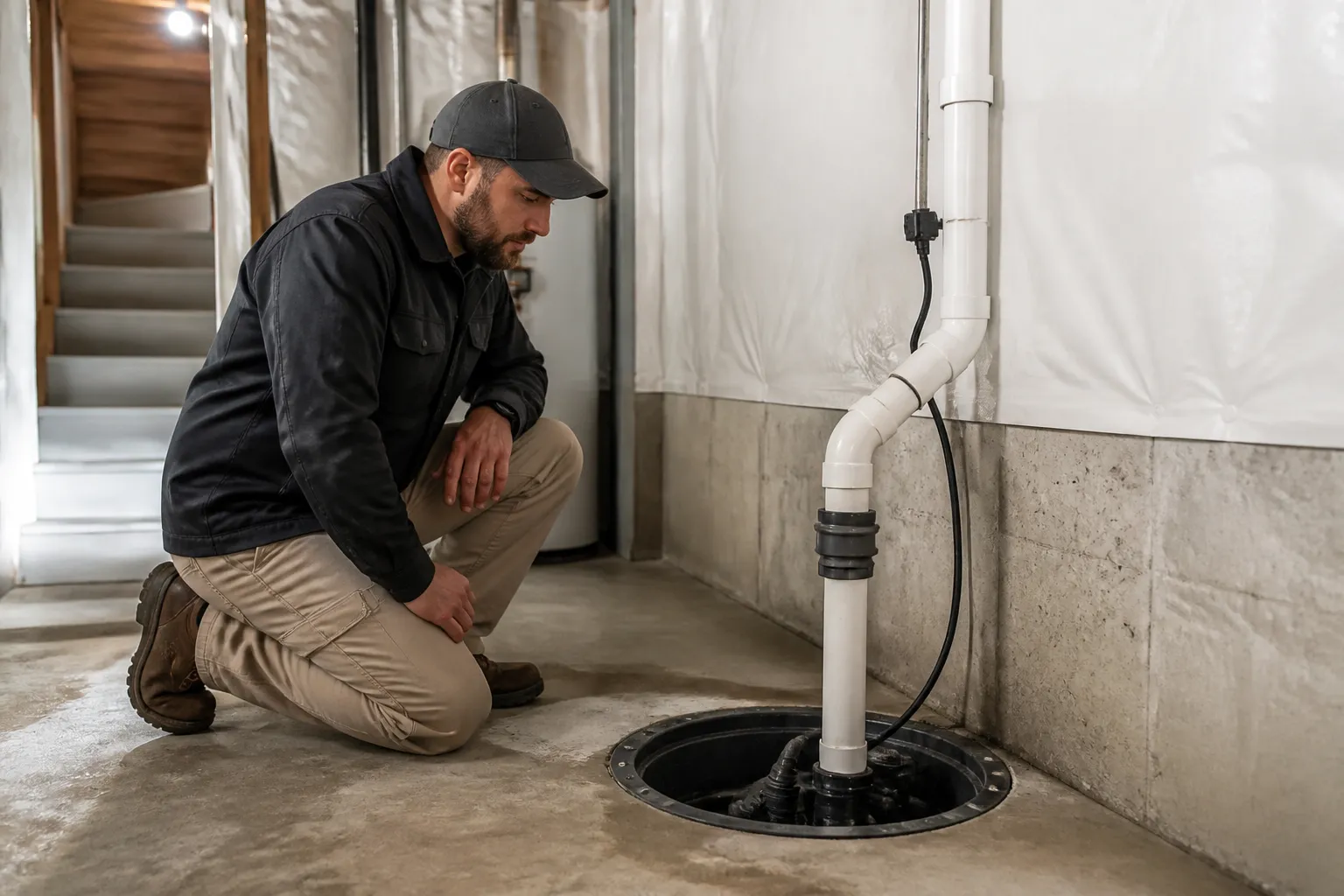
Our services can include house leveling alongside other structural solutions such as foundation inspection, foundation crack repair, epoxy crack injection, helical underpinning, and basement wall bracing when the condition calls for it. We may also recommend sump pump installation or sump pump repair if water is part of the problem and has contributed to the movement.
Cracks can tell you a lot about how a home is moving. Fine cracks may need monitoring, while larger or changing cracks can signal that the structure is under stress. If a crack is actively letting moisture through or appears tied to settlement, we may recommend a repair method that matches both the structural and moisture concerns.
Some homes need direct support correction to address the source of the unevenness. In those cases, methods such as helical underpinning or wall bracing may be part of the solution, depending on the structure and the inspection findings. The goal is to restore stability rather than mask the symptoms.
Water and structure often go hand in hand. If moisture has been entering the basement or affecting nearby materials, it can weaken components and contribute to movement over time. That is why house leveling often connects to waterproofing work.
Winnipeg Waterproofing approaches these problems with that connection in mind. A floor that feels uneven may not only be a settling issue. It may also reflect damage from a leak, repeated dampness, or drainage conditions that have put pressure on the home over time. Treating only the visible symptom can leave the source untouched.
When needed, we can discuss basement waterproofing, foundation waterproofing, and drainage-related solutions as part of a broader repair plan. The point is to address the structure and the conditions around it so the repair has a better chance of lasting.
Homeowners often want to know what the process feels like from start to finish. A clear explanation helps reduce uncertainty and makes it easier to plan the work.
Not every home needs the same solution, and that is the point of starting with a real inspection. The best repair plan is the one that matches the condition of the home, not a generic fix.
House leveling requests often come from homeowners dealing with a long list of small symptoms that have started to add up. If you are near Winnipeg, MB R3L 1Z3 and have noticed uneven flooring, shifting trim, or cracks that keep changing, it is worth having the home assessed sooner rather than later.
Winnipeg Waterproofing serves Winnipeg and surrounding communities including St. Vital, River Heights, Fort Garry, St. Boniface, Tuxedo, Charleswood, St. James, Transcona, West Kildonan, East Kildonan, Fort Richmond, and Linden Woods. That local focus helps us understand how to evaluate the conditions homeowners are dealing with and recommend practical repair options.
Look for a combination of signs such as sloping floors, doors that stick, widening wall cracks, or trim that is separating. One symptom alone may not confirm a leveling issue, but several together usually call for an inspection.
Yes, some cracks can be linked to settlement or structural movement. The shape, location, and whether the crack is changing all matter when determining what it means.
No. Leveling addresses uneven support and movement, but the right repair depends on the actual cause. Sometimes waterproofing, crack repair, underpinning, or wall bracing is also needed.
It can. Moisture may weaken materials or contribute to conditions that allow movement to continue. That is why we consider waterproofing and drainage factors during the inspection.
An inspection helps identify whether the issue is active, where it is showing up, and which repair methods fit the home. It also helps separate cosmetic changes from structural movement.
Yes. Depending on what we find, house leveling may be combined with foundation crack repair, basement wall bracing, helical underpinning, or sump pump-related work when those conditions are connected.
If your home feels uneven or your doors and walls are starting to tell a different story than before, it is time to get it checked. Winnipeg Waterproofing can inspect the structure, explain what the movement means, and recommend a repair approach that fits your home at 196 Osborne St, Winnipeg, MB R3L 1Z3.
Call +14314414876 to discuss your house leveling concerns and take the next step toward a more stable home.
Get Started
Call +14314414876 or fill out the form to discuss your waterproofing concern and the most practical next step for your home.