Every spring, Winnipeg homeowners watch the snow melt and hope their basement stays dry. The risk is real. The city warns that basement and overland flooding go up when the snow melts, and heavy rain or high river levels can make it worse. The good news is that a few simple jobs, done before and during the thaw, can lower your risk a lot.
Why Spring Is the Danger Time
When the ground is still frozen, melting snow has nowhere to soak in. The water runs along the surface and tends to head toward low spots, including the area around your foundation. At the same time, the sewer system is carrying more water. The city notes that when river levels are high, the sewers have less room to move water away. That is when backups happen.
Before the Melt
- Move snow away from the foundation. Shovel snow back from the walls, especially around window wells and basement windows. A pile of snow against the house becomes a pool of water when it melts.
- Clear paths for water. Open up the lane, the yard, and the gutters so meltwater can flow away from your house.
- Clear storm drains near your home. The city notes that plugged drains cause water to build up on the street. If a drain on your block is covered with snow or ice, clear it carefully, if you can do it safely.
- Extend your downspouts. Make sure water leaves your roof and lands well away from the walls.
- Check the grade. The earth around your home should be built up so water slopes away from the house.
Test Your Safety Equipment
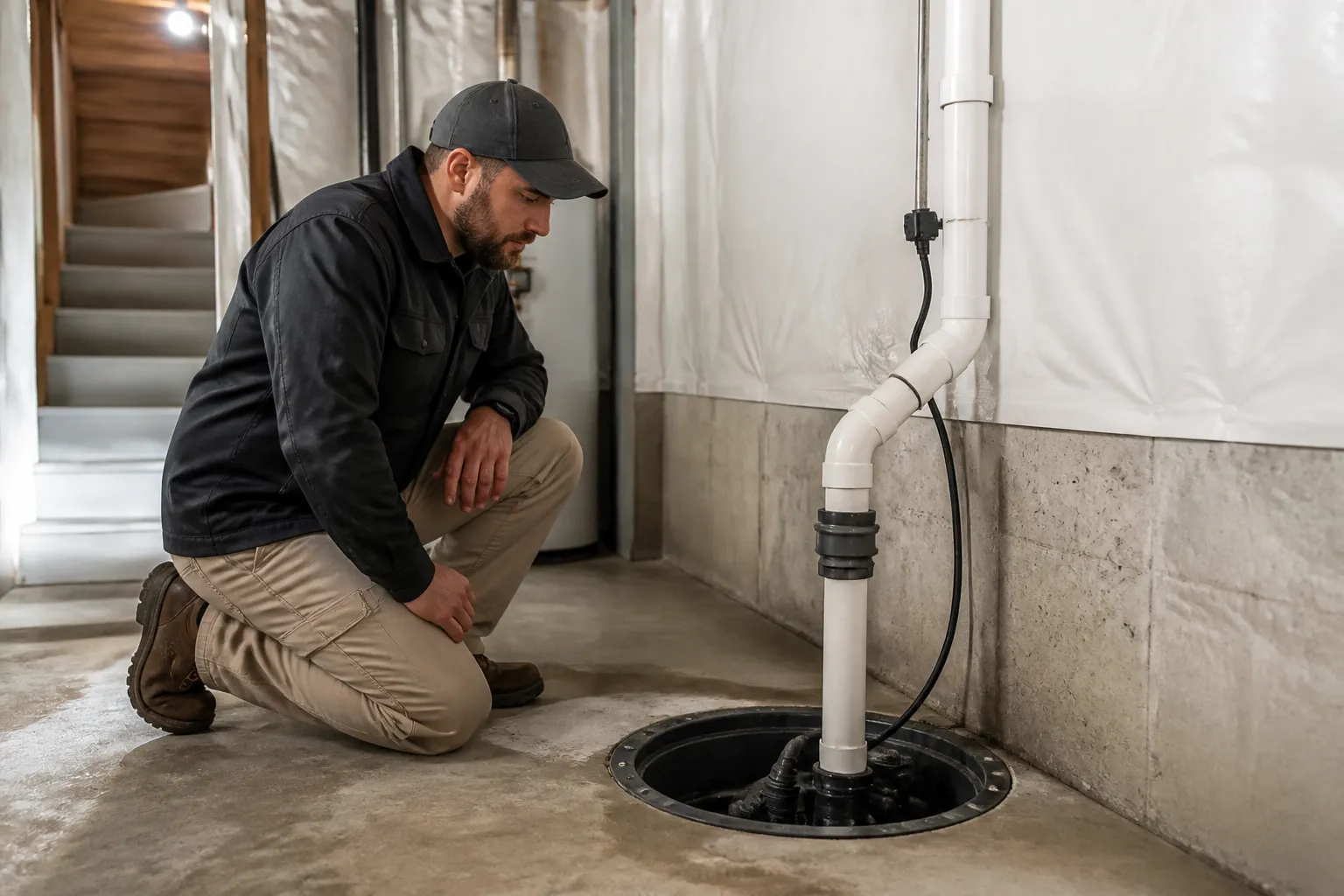
The city recommends hiring a licensed plumber to install a backwater valve and a sump pit with a pump. If you already have them, test them now. Pour water into the sump pit and make sure the pump starts, drains the pit, and shuts off. Make sure the hose or pipe outside is not frozen or buried in snow. Check the backwater valve according to the maker’s directions or have a plumber do it.
Remember the discharge rules too. Sump water should flow onto your own property, not into the floor drain and not onto your neighbors yard, the lane, or the street.
Protect What Is in the Basement
Even with good prep, water can find a way in. Take simple steps to limit the damage:
- Store items on shelves or plastic bins, not on the floor.
- Move important papers, photos, and electronics upstairs.
- Keep the furnace, water heater, and electrical panel in mind. Know where your main shutoff is.
- Check your home insurance. Many policies need an add on for sewer backup. Ask your agent what is covered.
During the Melt
Check your basement often, even when you are home. The city advises checking regularly so you can spot flooding early. Look in corners, along the walls, and near floor drains. Listen for your pump. If it runs often, that is normal in spring. If it runs nonstop or stops completely, call for help.
If flooding starts, put safety first. Stay out of a basement with standing water if the electrical panel or outlets could be affected. Turn off power at the panel only if you can reach it safely and dry. When in doubt, leave the area and call a professional.
After the Melt
Once the thaw is over, walk around your house. Look for settled soil near the foundation, new cracks, or places where water pooled. Fill low spots with soil so the ground slopes away again. Fix gutters that sagged under ice. Leave your sump pump plugged in. Ground can stay wet for weeks after the snow is gone.
A Short Spring Routine
If the list feels long, here is the short version. Clear snow from the walls. Extend the downspouts. Test the sump pump. Check the backwater valve. Move valuables off the floor. Look at the basement every day during the melt. These six steps take a couple of hours and can save you from a very bad week.
If you rent out a basement suite, share this list with your tenants too. They are often the first to notice water.
Know When to Get Help
A little dampness along a wall, water stains, a musty smell, or white powder on the concrete can all be signs that water is getting in. Small problems are cheaper to fix when you catch them early.
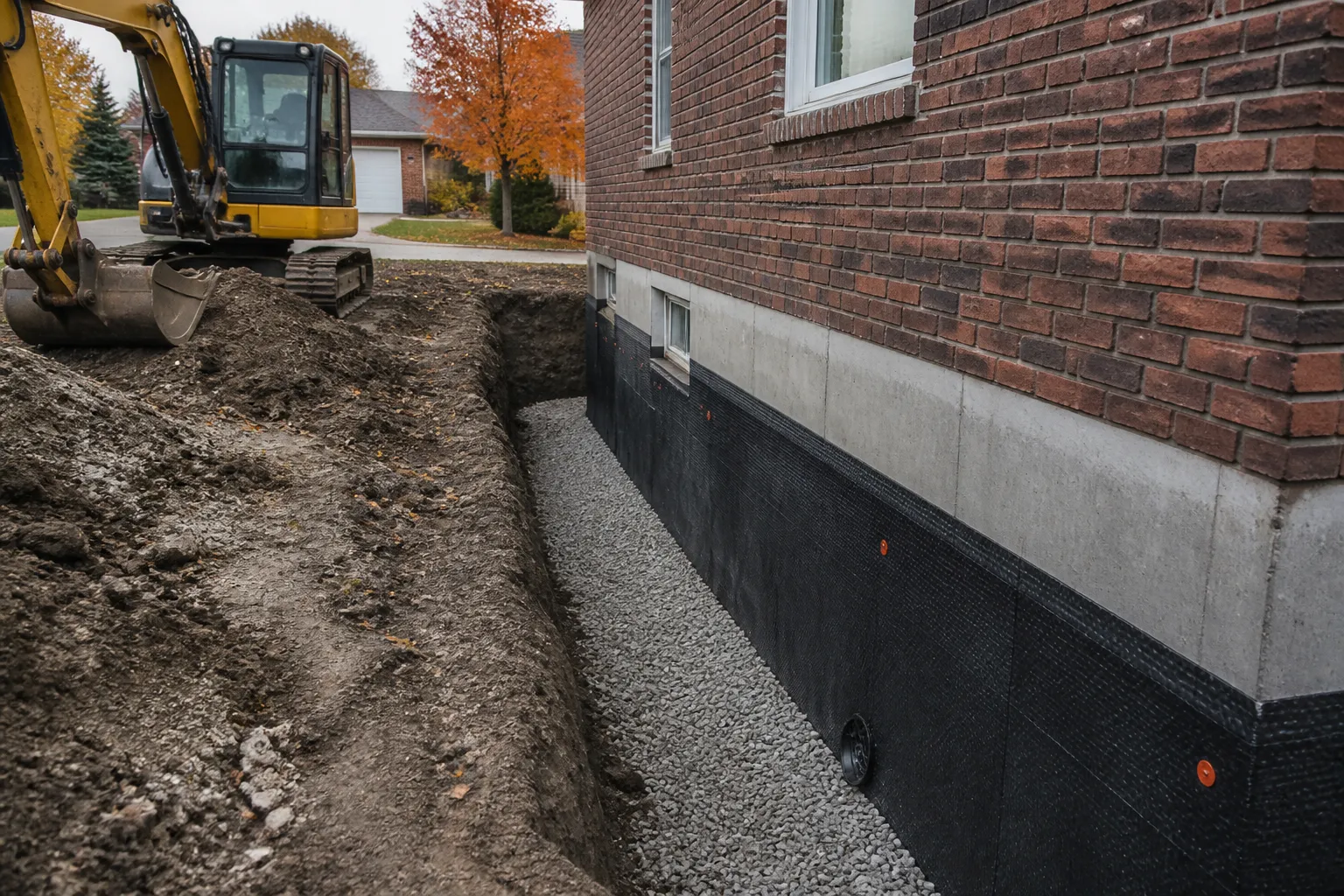
Winnipeg Waterproofing can check your foundation and your drainage before the next melt and suggest simple fixes that fit your home. Contact us to schedule a visit.