If you own a home in Winnipeg, you live on special ground. The soil under the city is clay, and it moves. When it gets wet, it swells. When it dries out, it shrinks. That movement is one of the main reasons basements here crack, floors tilt, and doors stick. Knowing how it works can help you protect your home.
Where This Clay Comes From
Winnipeg sits on the bed of an ancient lake, Lake Agassiz. When the lake disappeared thousands of years ago, it left a thick layer of silt and clay behind. This type of clay changes volume as its moisture changes. One University of Manitoba engineer has said that a layer of clay one foot thick can change in thickness by about an inch as it swings between dry and wet. When it swells, it can push on a foundation with enormous force.
Studies of Winnipeg homes have found that most have at least some cracks in basement floors, walls, or ceilings. That does not mean every home is in trouble. Many cracks are small and harmless. But it shows how common the movement is.
Dry Weather Can Hurt Too
Many people think only water causes foundation problems. In Winnipeg, drought can be a problem as well. After long dry spells, foundation repair crews report more calls. The soil shrinks and pulls away from the foundation. The footing can drop, and the house can settle. Cracks and uneven floors follow.
Swings from wet to dry are the real troublemakers. The clay does best when its moisture stays steady.
Signs Your Foundation May Be Moving
- Cracks in drywall, especially above doors and windows.
- Doors and windows that stick or no longer close well.
- Floors that slope or feel uneven.
- Cracks in the basement floor or foundation walls.
- A gap between the soil and the foundation wall.
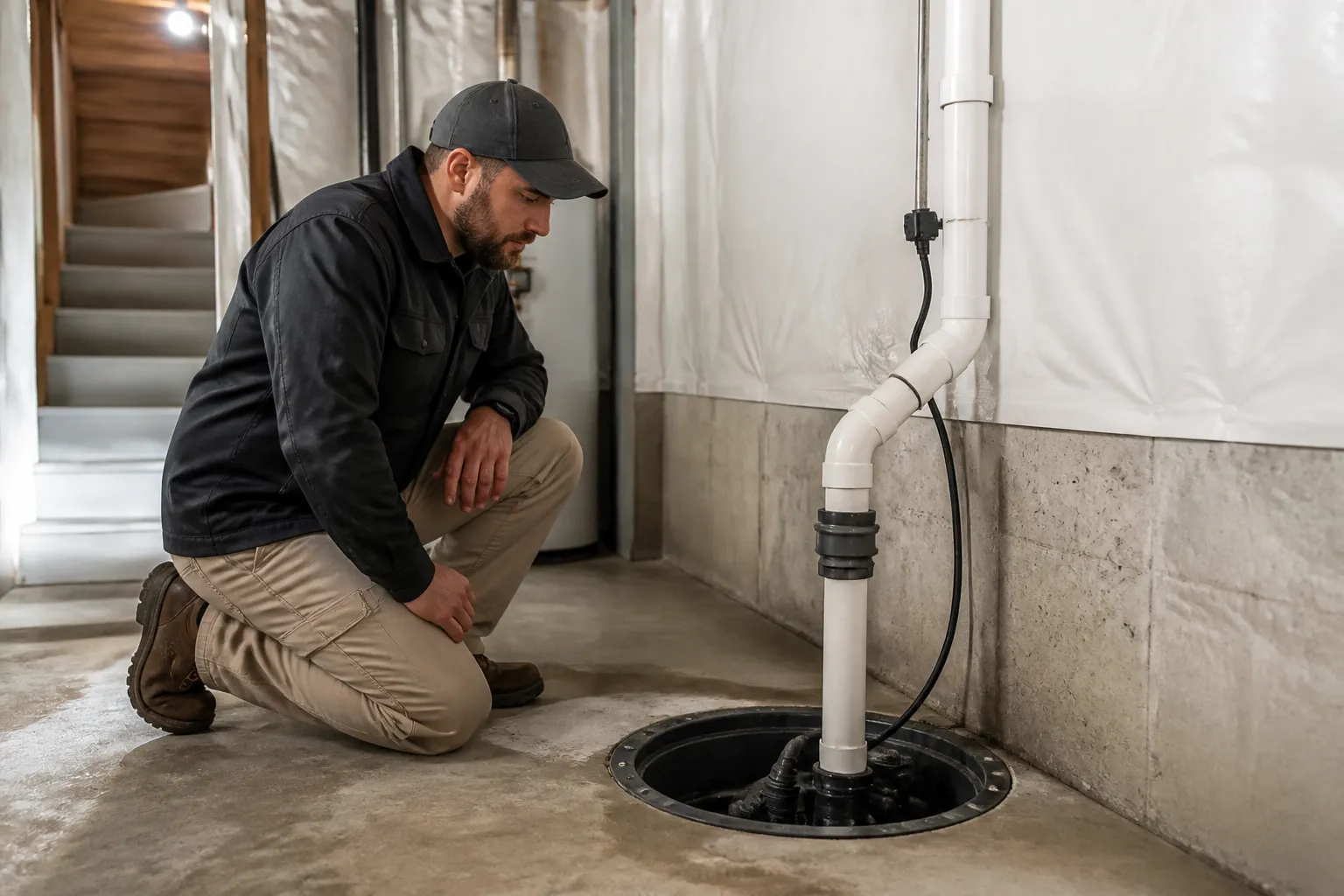
- Water or dampness entering the basement.
Not every sign means serious damage. A small hairline crack in a basement slab is very common. Cracks that grow, run sideways, or are wide enough to put a coin in deserve a closer look. Some experts say it can take three or four seasons to learn how your house naturally moves.
What You Can Do
1. Control the water at your foundation. Make sure the ground slopes away from your house. Many guides suggest a gentle slope for the first several feet. Keep flower beds, walkways, and driveways draining away from the walls. Never let water pool next to the house.
2. Extend your downspouts. Roof water dumped right at the wall soaks the clay. Extensions carry it away.
3. Keep moisture steady. In long dry spells, some foundation specialists suggest slowly watering the soil near the foundation. Do it gently and evenly, and do not flood one spot.
4. Watch the trees. Big trees near the house pull a lot of water from the soil. That can dry out one side of the foundation. Removing a large tree can also cause the soil to swell afterward. Think before you plant or cut.
5. Fix leaks early. A leaking pipe or eavestrough can soak the clay for months.
Do Not Fight the Clay
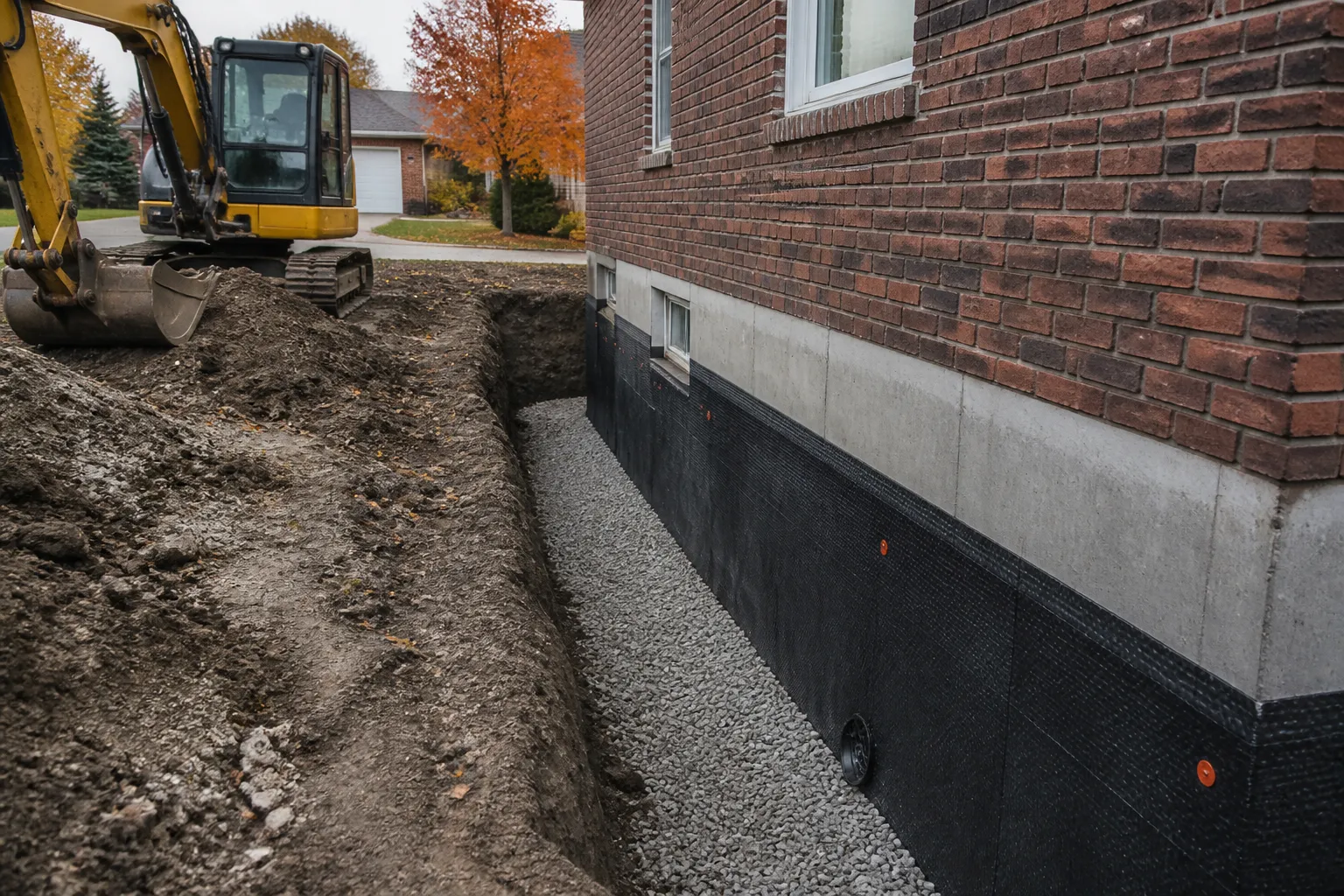
You cannot stop the soil from moving. The goal is to keep the movement small and even. Quick fixes that ignore the soil often fail. Sealing a crack from the inside may stop a leak for now, but if the soil keeps moving, the crack can open again. A good repair plan looks at the cause, not just the crack.
Common Questions About Clay and Foundations
Is a crack always a sign of failure? No. Many homes in the city have small cracks that never change. What matters is whether a crack grows, leaks, or comes with sticking doors and sloping floors.
Is the basement slab the same as the foundation? No. The floor slab can move on its own, which can shift support posts in the basement.That is a different problem from the foundation wall moving, and it often has a simpler fix, like adjusting the posts.
Should I buy a home with a cracked basement? Hire an inspector who knows local clay soil. Ask whether the cracks are old and stable or recent and active.
When to Call a Pro
Call us if cracks are widening, if you see horizontal cracks in a basement wall, if water keeps coming in, or if floors and doors keep getting worse. We can look at the foundation, the drainage, and the grading around your home and explain your options in plain words.
Winnipeg Waterproofing helps homeowners across the city deal with wet basements and moving foundations. Contact us to book an inspection.